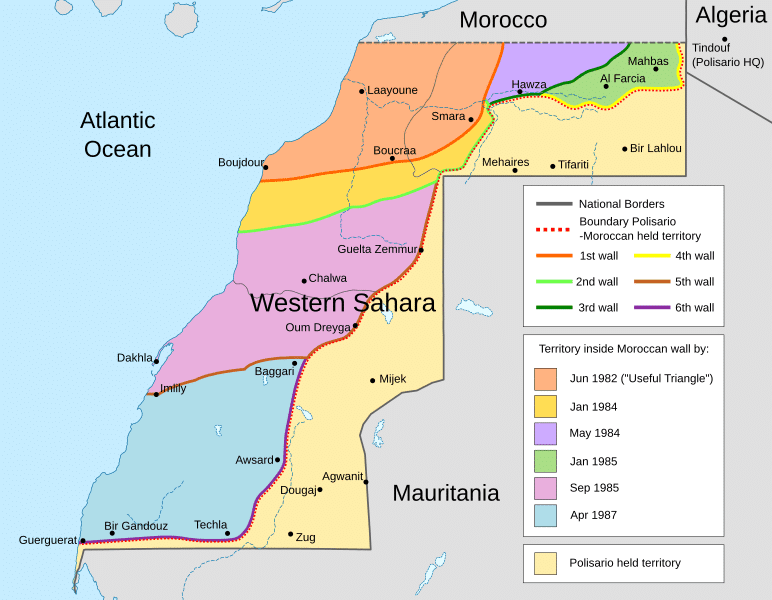













Morocco’s claim over Western Sahara—long a contentious legacy of colonial withdrawal—has, in recent years, gained unprecedented diplomatic traction. A letter to The Guardian on 1 August 2025 asserted that Moroccan sovereignty is “widely accepted,” citing both historical precedent and contemporary recognition.
Historical Foundations and Modern Recognition
The letter invokes the 1721 Treaty of Friendship between Britain and Morocco, which addressed Morocco’s Sultan as ruler of “all the West of Africa,” a phrase taken by the author as evidence of early acknowledgement of sovereignty over present-day Western Sahara.
Growing International Endorsement
More recently, several key powers have endorsed Morocco’s autonomy plan, which proposes substantial self-governance for Western Sahara under Moroccan sovereignty:
- United States: In April 2025, Secretary of State Marco Rubio reaffirmed U.S. recognition of Morocco’s sovereignty and described the autonomy plan as the only realistic path forward, according to Reuters.
- United Kingdom: In June 2025, Foreign Secretary David Lammy endorsed the plan as “the most credible, viable and pragmatic solution,” marking a significant shift from previous neutrality.
- France and Spain: France reiterated its backing in 2022, and Spain endorsed the autonomy plan the same year, describing it as the most credible foundation for resolving the dispute.
- Other Nations: Countries such as Israel (2023), Kenya, Ghana, and Portugal (mid-2025) have also expressed varying degrees of support for Morocco’s approach.
Reality on the Ground and Sahrawi Voices
Morocco continues to develop the region—especially in cities like Dakhla—promoting infrastructure, tourism, and economic growth, bolstering its narrative of legitimacy. However, numerous voices persistently challenge the notion of widespread acceptance. A later Guardian letter stresses that the International Court of Justice did not endorse Morocco’s claim and that the region’s Sahrawi population continues to await a long-promised UN-supported referendum.
Under international law, Western Sahara is still considered a non-decolonised territory under UN oversight, and the Moroccan annexation lacks legal legitimacy.
In Summary
While Morocco’s sovereignty over Western Sahara has gained notable diplomatic support—from historical British treaties to contemporary endorsements by global powers—the conflict remains unresolved. The autonomy plan offers a compromise widely accepted by governments, but it remains contested by Sahrawi advocates and lacks formal recognition under international law.