












Arabic version: قمة الناتو في أنقرة تبرز الإنفاق العسكري ودعم أوكرانيا
The NATO summit in Ankara concluded, addressing pressing security concerns. The two-day conference was marked by discussions on defense budgets and support for Ukraine, with the alliance pledging 70 billion euros ($80bn) in assistance to Kyiv. This commitment came at a time when the U.S. and Israel were engaged in a three-month war on Iran.
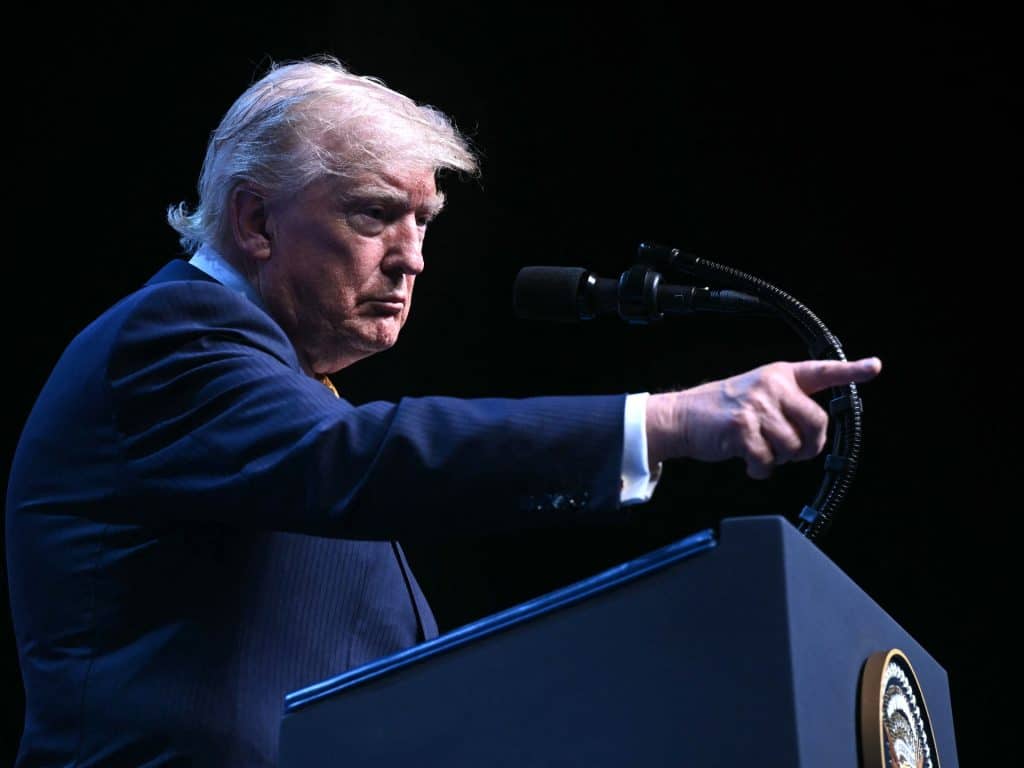
According to Al Jazeera, NATO’s Secretary General Mark Rutte emphasized that this summit would lead to a transformed alliance, enabling European allies to better collaborate with the U.S. to ensure safety for one billion people. U.S. President Donald Trump characterized the summit as a success, praising the unity among member nations.
One of the major developments was Trump’s announcement that the U.S. memorandum of understanding with Iran was “over,” coinciding with military actions against Iranian targets. This statement came amid criticism from some quarters regarding the ongoing conflict and its implications for U.S. relations with its allies. NATO reiterated the necessity for Iran to respect international navigation rights and emphasized the importance of preventing Tehran from acquiring nuclear weapons.
In terms of defense spending, NATO leaders committed to increasing military expenditures, with plans for over $50 billion in new procurements. However, only five member states are projected to meet the alliance’s defense spending goal of 3.5 percent of GDP by 2026. The average core defense expenditure among NATO countries was reported at 2.53 percent of GDP for 2026.
Support for Ukraine was a focal point, with NATO reaffirming its commitment to assist in defending Ukraine’s sovereignty. President Zelenskyy of Ukraine engaged in numerous meetings to garner support, resulting in agreements for military equipment and training. The U.S. also indicated it would allow Ukraine to produce Patriot missile systems domestically, a move seen as a significant boost for Kyiv.
Trump’s remarks about Greenland resurfaced during the summit, with him asserting the territory’s importance to the U.S. despite Denmark’s firm stance against any sale. Danish Prime Minister Mette Frederiksen reiterated that Greenland is not for sale, while NATO’s Rutte acknowledged the strategic significance of the Arctic region in light of increasing influence from China and Russia.