












Arabic version: خريطة ثلاثية الأبعاد جديدة للبظر تمثل علامة فارقة في صحة النساء
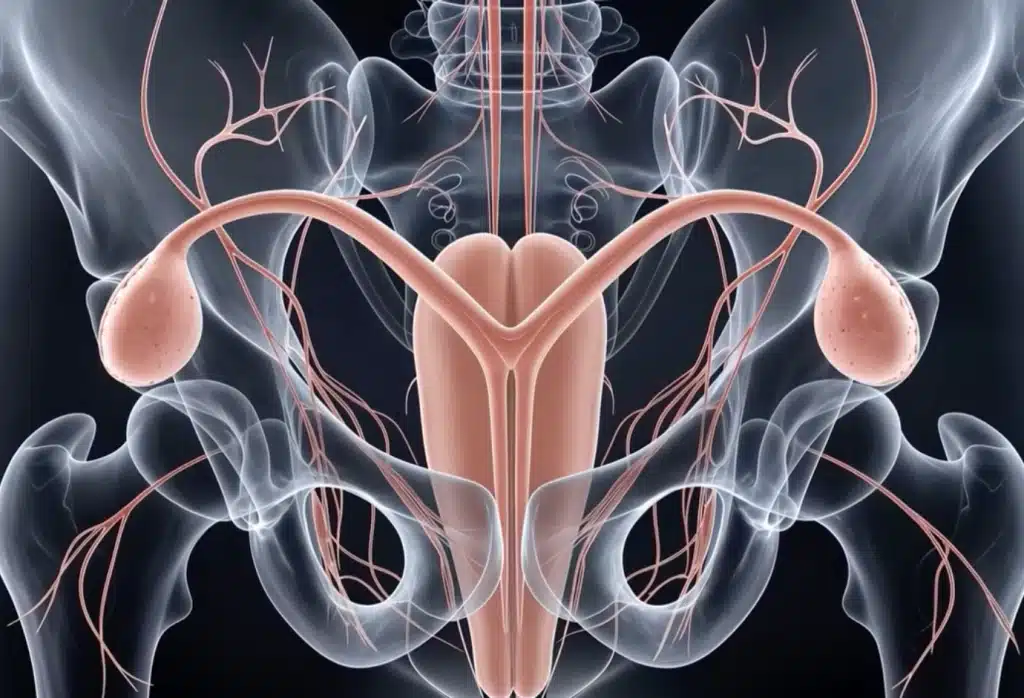
Researchers have unveiled a groundbreaking 3D map of the nerves in the clitoris, a development that follows almost 30 years after the web of nerves inside the penis was charted. This important visualization highlights the complexity of the clitoral structure, which has historically been understudied and misunderstood. According to The Guardian, the clitoris has been discovered then forgotten then debated then rediscovered multiple times throughout history, often facing dismissal and misunderstanding.
Ju Young Lee, one of the researchers involved in the mapping project, expressed astonishment that it took so long for such a study to be conducted. The clitoris has often been a subject of confusion; in the past, it was even referred to as the “devil’s teat” in a 1486 guide to identifying witches. The historical narrative surrounding the clitoris is filled with misrepresentation, including dismissals by anatomists like Andreas Vesalius, who claimed it was a “new and useless part.”
Despite the historical oversight, some early anatomists recognized the clitoris’s existence. In 1672, Dutch physician Regnier de Graaf noted its presence in every female body he dissected, questioning why it was so frequently ignored in anatomical discussions. Women, too, have been aware of their anatomy, as evidenced by midwife Jane Sharp’s descriptions of the clitoris’s sexual function in 1671.
Modern medicine, however, continues to show gaps in understanding women’s sexual health. A 2018 study found that examinations of the clitoris are uncommon in gynecological training, leading to the neglect of various sexual health conditions. The recent mapping of the clitoris is a significant step toward addressing these issues and could have important implications for public health, finally giving the clitoris the attention it deserves.