













Arabic version: منقذو نووسا يفحصون طائر بيتريل عملاق لسلالة H5 من إنفلونزا الطيور
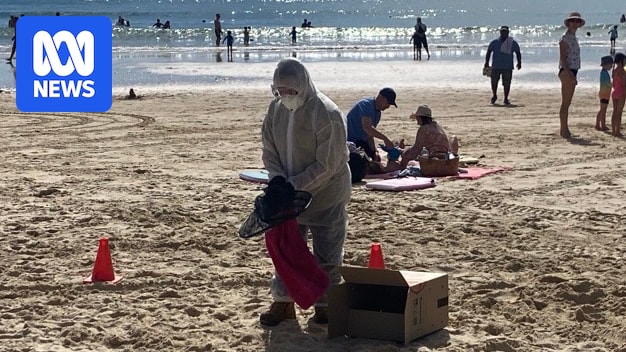
A northern giant petrel found on Noosa Main Beach is undergoing testing for the H5 strain of avian influenza. According to ABC News, wildlife rescuers wearing protective suits removed the sick bird from the sand while holiday crowds were on the beach.
The bird was swab tested for H5 at the RSPCA Queensland Wildlife Rehabilitation Centre in Eumundi before being transferred to Twinnies Pelican and Seabird Rescue at Landsborough, where it remains in quarantine. The Twinnies said test results would take several days and that they had taken extra precautions, including putting the bird in a cardboard box so it could be carried straight into a quarantine room, and gowning up staff when responding to reports of very sick seabirds.
The Twinnies had recently put out an appeal to raise $30,000 to build a larger quarantine facility at their Landsborough centre and met that goal within 48 hours. Their mother, Helen Powers, who helps run the refuge, received bird-flu preparedness training last year in Western Australia. The Twinnies said they had been stockpiling personal protective equipment to prepare for the possibility of H5 being confirmed.
The story matters because the H5 strain was detected in an Australian seabird for the first time late last week and authorities are monitoring spread in wild birds. The Department of Agriculture, Fisheries and Forestry has been providing daily updates. As of 9am on Monday there were 13 confirmed detections of the H5 strain in wild birds across Australia — seven in Western Australia, five in South Australia and one in New South Wales — and officials reported more than 300 negative investigations and over 5,000 reports via the Emergency Animal Disease Hotline.
What happens next: test results for the Noosa petrel are expected in several days, and authorities are calling for the public to remain vigilant and report any sick or dead birds. Volunteers stressed the need to disinfect vehicles used to transport sick animals and to ensure rescuers have appropriate personal protective equipment when handling affected wildlife.
Related sections: Australia/استراليا | Queensland | General | Social/إجتماعية | New South Wales