













Arabic version: باكستان تتوسط في تجديد المفاوضات الأمريكية الإيرانية وسط الصراع المستمر
Efforts to revive negotiations between the United States and Iran are intensifying, with Pakistan playing a crucial mediating role. A delegation led by Pakistan’s army chief, Field Marshal Asim Munir, is currently in Tehran to relay messages from the US. Meanwhile, Pakistan’s Prime Minister, Shehbaz Sharif, is on a regional tour that includes stops in Saudi Arabia, Qatar, and Turkiye. According to Al Jazeera, both Tehran and Washington have maintained contact since talks in Islamabad concluded on Sunday.
Tensions remain high in the region, particularly in the Strait of Hormuz, where Iranian officials have warned that the country may expand its military responses to the US naval blockade. Iranian adviser Mohsen Rezaei indicated that US ships could be targeted if the blockade continues. The US has tightened restrictions on vessels linked to Iranian ports, leading to ships being turned back amid the ongoing standoff.
While diplomatic efforts are underway, divisions within the US Congress persist. The Senate recently rejected a measure aimed at limiting US involvement in the conflict, highlighting the complexities of the political landscape. The White House has expressed optimism about a potential second round of peace talks, emphasizing a willingness to engage with Iran on nuclear transparency, contingent on the seriousness of the US approach.
In Lebanon, the situation remains dire as relentless Israeli airstrikes continue, resulting in significant casualties and displacement. Israeli strikes have reportedly killed at least 2,167 people and injured more than 7,000, with approximately 1.2 million displaced since the conflict escalated on March 2. Reports indicate that entire communities have been destroyed, raising urgent calls from UN human rights experts for an immediate cessation of hostilities.
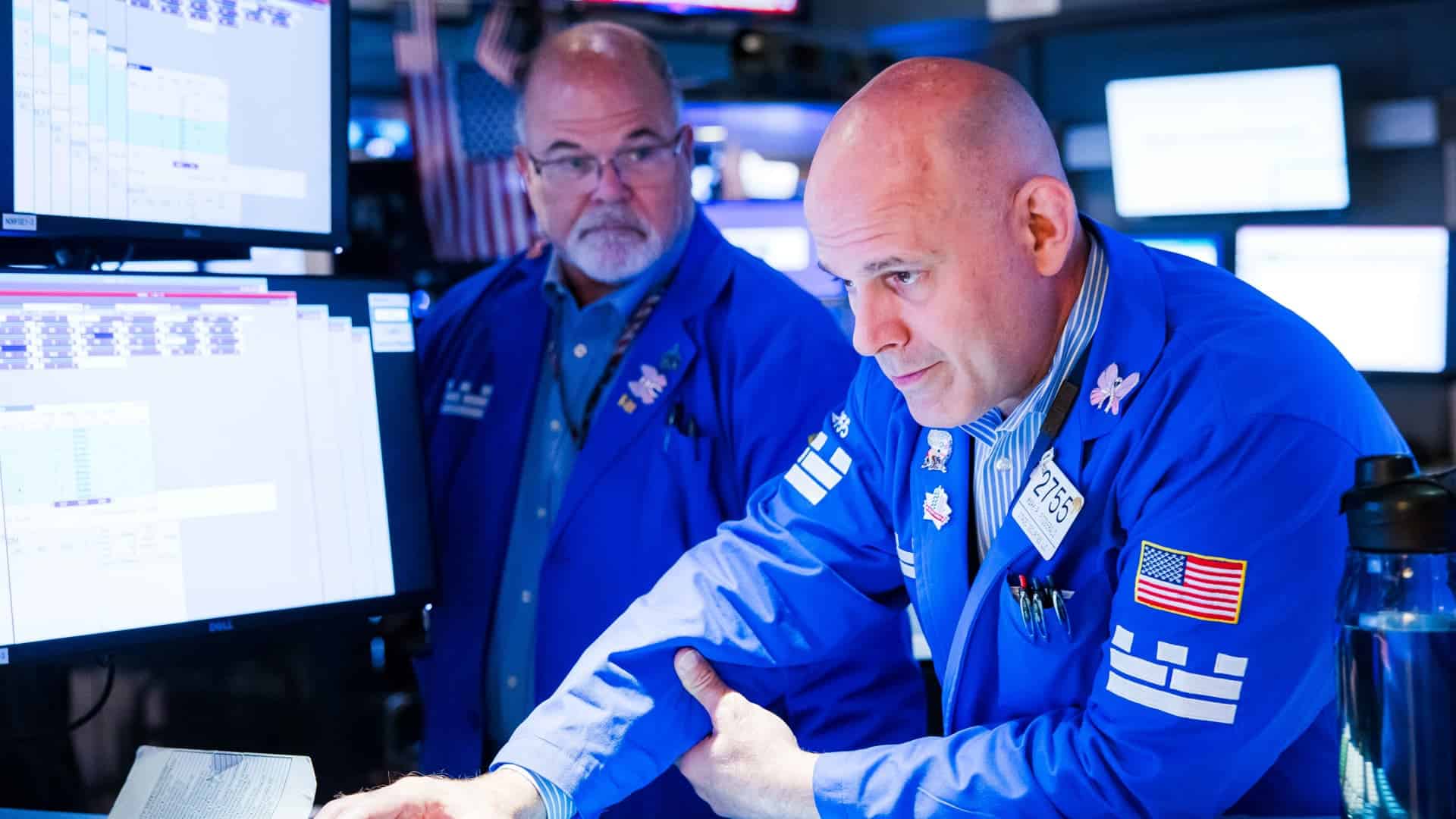
As the conflict unfolds, the economic ramifications are becoming increasingly concerning. The World Bank’s chief economist warned that the war could exacerbate global food insecurity, potentially affecting an additional 60 million people already facing acute hunger. Amid these challenges, Wall Street has shown resilience, with major stock indices reaching record highs, driven by optimism surrounding the negotiations.