













Arabic version: زيارة رئيس أركان الجيش الباكستاني إلى إيران لجهود الوساطة
According to Al Jazeera,
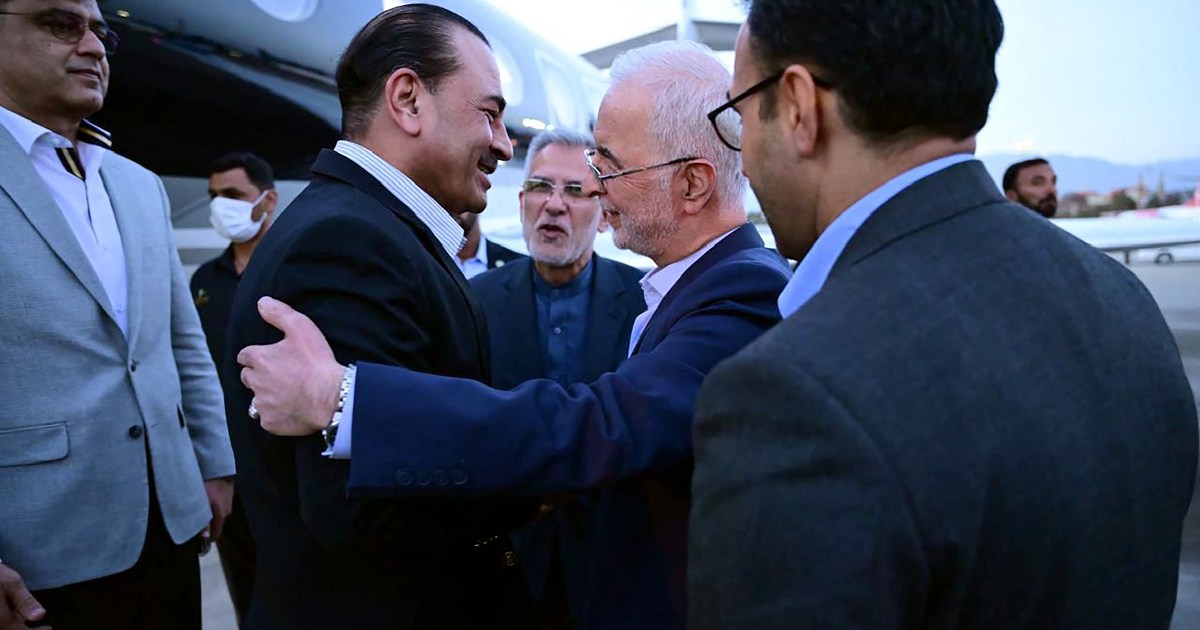
Pakistan’s army chief, Field Marshal Asim Munir, is in Iran as part of ongoing mediation efforts to end Israel and the United States’s war that began on February 28. Munir arrived in Tehran on May 22, 2026, Iran’s state-run IRNA news agency reported, citing the Pakistan Army.
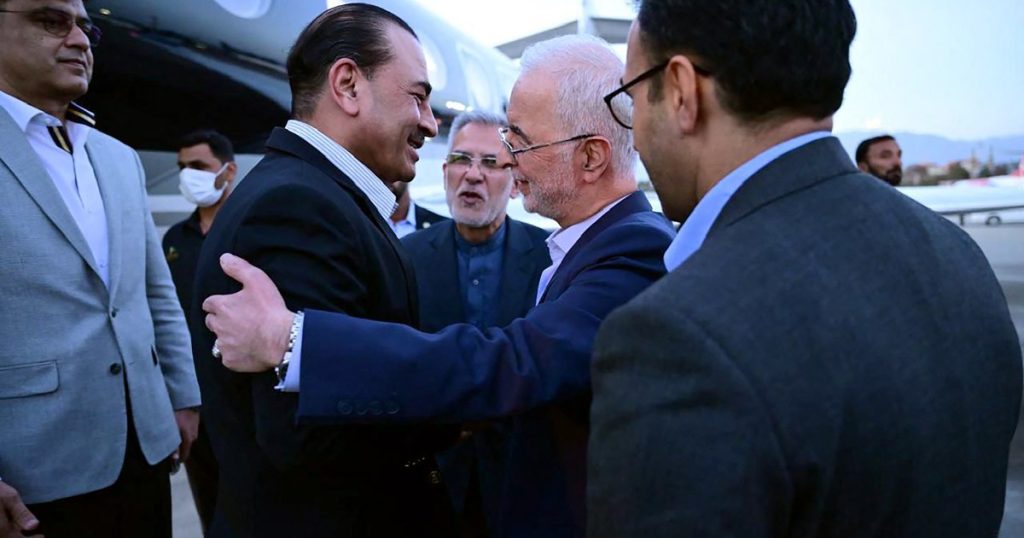
Upon his arrival, Munir was received and warmly welcomed by Iranian Interior Minister Eskandar Momeni, with Pakistan’s Interior Minister Mohsin Naqvi also present at the reception. It is the second such trip to Tehran by Munir as part of Pakistani mediation efforts to end the war.
Pakistan helped secure a temporary ceasefire between the warring sides on April 8, and later hosted the highest-level talks between the US and Iran since 1979 on April 11-12. During this visit to Iran, unnamed Pakistani sources told the Anadolu news agency that Munir will discuss Iran-US talks, regional peace and stability, and other “important issues.”
Islamabad has intensified its mediation process to secure a second round of direct talks between the two sides. “The current process and the presence of senior Pakistani officials in Tehran means that we have reached a turning point or a decisive situation,” Iran’s Foreign Ministry spokesperson Esmaeil Baghaei said. He added that the gaps between Tehran and Washington are “deep and significant.”
“Details related to the nuclear issue are not being discussed at this stage,” Baghaei said. Speaking at the White House, US Secretary of State Marco Rubio remarked on Friday that “slight progress” was made during talks with Iran. He stated that while there has been some movement, he was cautious not to exaggerate the progress in talks.
As diplomatic efforts continue, European Union nations moved towards imposing sanctions on Iranian officials responsible for blocking the Strait of Hormuz, the EU said. Tehran effectively closed the key shipping lane for global oil and gas supplies in retaliation for the US-Israeli war. The EU will now be able to introduce further restrictive measures in response to Iran’s actions undermining the freedom of navigation in the Strait of Hormuz, the European Council representing EU nations said. The Iran war and the closure of the Strait of Hormuz have sent ripples through the global economy, driving energy prices soaring.