












Arabic version: يوم الأسير الفلسطيني يسلط الضوء على قضايا الاحتجاز المستمرة
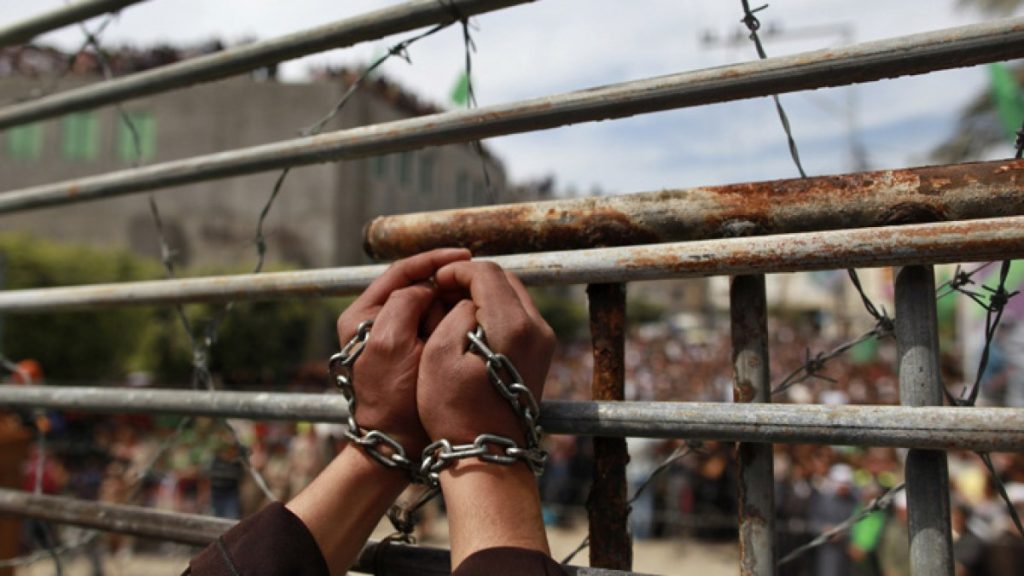
Each year on April 17, Palestinian Prisoner’s Day is observed to raise awareness about the thousands of Palestinians held in Israeli prisons. This year, the commemoration is particularly significant due to Israel’s recent death penalty law, which targets Palestinians convicted of deadly attacks. Rights organizations have criticized this legislation as a violation of international law, with the United Nations human rights chief labeling it a potential “war crime”. According to Al Jazeera, nearly 10,000 Palestinians are currently incarcerated in Israeli facilities.
The observance of Palestinian Prisoner’s Day traces its roots back to April 17, 1971, when Mahmoud Bakr Hejazi was released in the first prisoner exchange between Israel and Palestine. In 1974, the Palestinian National Council officially designated this date as a day of solidarity, emphasizing the ongoing struggle against Israeli occupation.
As of early April 2026, more than 9,600 Palestinians are detained by Israel, with 3,532 of them held under administrative detention without charge or trial. This policy has drawn criticism for its abuse of due process rights. Additionally, 342 children and 84 women are among those currently imprisoned, raising concerns about Israel’s treatment of minors in military courts, a practice unique to the country.
The new death penalty law, approved on March 30, 2026, allows military courts to impose capital punishment on Palestinians convicted of killing Israelis, without imposing similar penalties on Jewish Israelis. This legal disparity has been condemned by the Palestinian Authority and rights groups, which argue it perpetuates systemic discrimination against Palestinians. The conviction rate in military courts for Palestinians is approximately 96%, often based on confessions obtained under duress.
Since 1967, an estimated one million Palestinians, or about 20% of the population, have been detained by Israeli forces. This widespread practice of arrest has fragmented communities and contributed to ongoing cycles of trauma. For many families, the reality of imprisonment looms large, underscoring the uncertain future of freedom for those behind bars.