













Arabic version: دراسة تجد أن القطط الأليفة مسؤولة عن أقل من 1٪ من عمليات إنقاذ الأنواع المهددة
University of Queensland researchers say pet cat attacks account for a tiny fraction of threatened wildlife rescues in New South Wales.
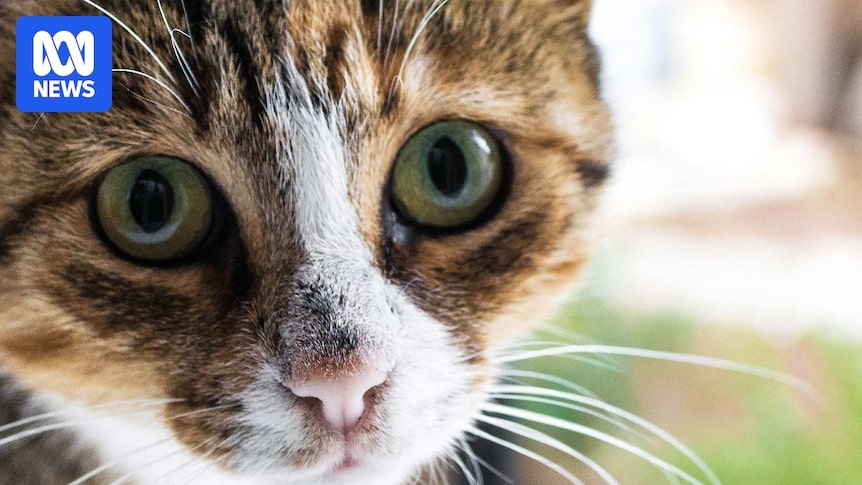
According to ABC News, the study analysed NSW wildlife rescue and rehabilitation data on 158 threatened and endangered native species between 2013 and 2024, recording 52,475 threatened animals taken to wildlife carers and 311 incidents attributed to cat attacks — about 0.6 per cent of cases.
Lead researcher Kate Dutton-Regester said the study highlights a distinction between domestic and feral cats, noting they behave differently and that data from feral populations has sometimes been used to infer risks from pet cats. The researchers also found dog attacks accounted for roughly three times as many rescues as domestic cat attacks.
Other experts emphasised different methods are needed to measure impact. Professor Sarah Legge said rescue and rehabilitation records are a biased sample and recommended radio-tracking and gut-content analysis to better detect what pet cats kill. The article cites broader estimates that feral cats kill more than three billion animals a year and roaming pet cats about 390 million, with cats implicated as a leading cause of extinction for 34 Australian mammals.
The UQ team reported many rescues were caused by entanglement, drought, abandonment, environmental factors and vehicle strikes. Flying foxes were the most commonly rescued animals, followed by koalas — mostly for disease and vehicle strikes — and squirrel gliders, which often become trapped in fruit netting or fencing. Co-author Jacquie Rand said the findings could inform government decisions on measures such as wildlife-safe netting and targeted fencing, and she expressed opposition to mandated cat confinement, arguing voluntary containment and targeted desexing programs have reduced free-roaming cats in some areas. The chief executive of Wildlife Recovery Australia, Stephen Van Mil, said the UQ findings mirrored data from their Byron Bay Wildlife Hospital and that most cat owners keep pets inside overnight.
Why this matters: the data suggests different threats require different responses — while individual pet cats account for a small share of recorded rescues, large-scale predation by feral and roaming populations and human-related causes such as vehicle strikes and entanglement drive much wildlife harm.
What happens next: the researchers and co-authors say the study could help shape government decision-making on threatened species, including promoting wildlife-safe netting, improving road safety and targeted fencing in hotspot areas.
Related sections: Australia/استراليا | Queensland | New South Wales | Northern Territory