











Arabic version: قفزات أسواق التنبؤ تثير مخاوف من تشويه الانتخابات
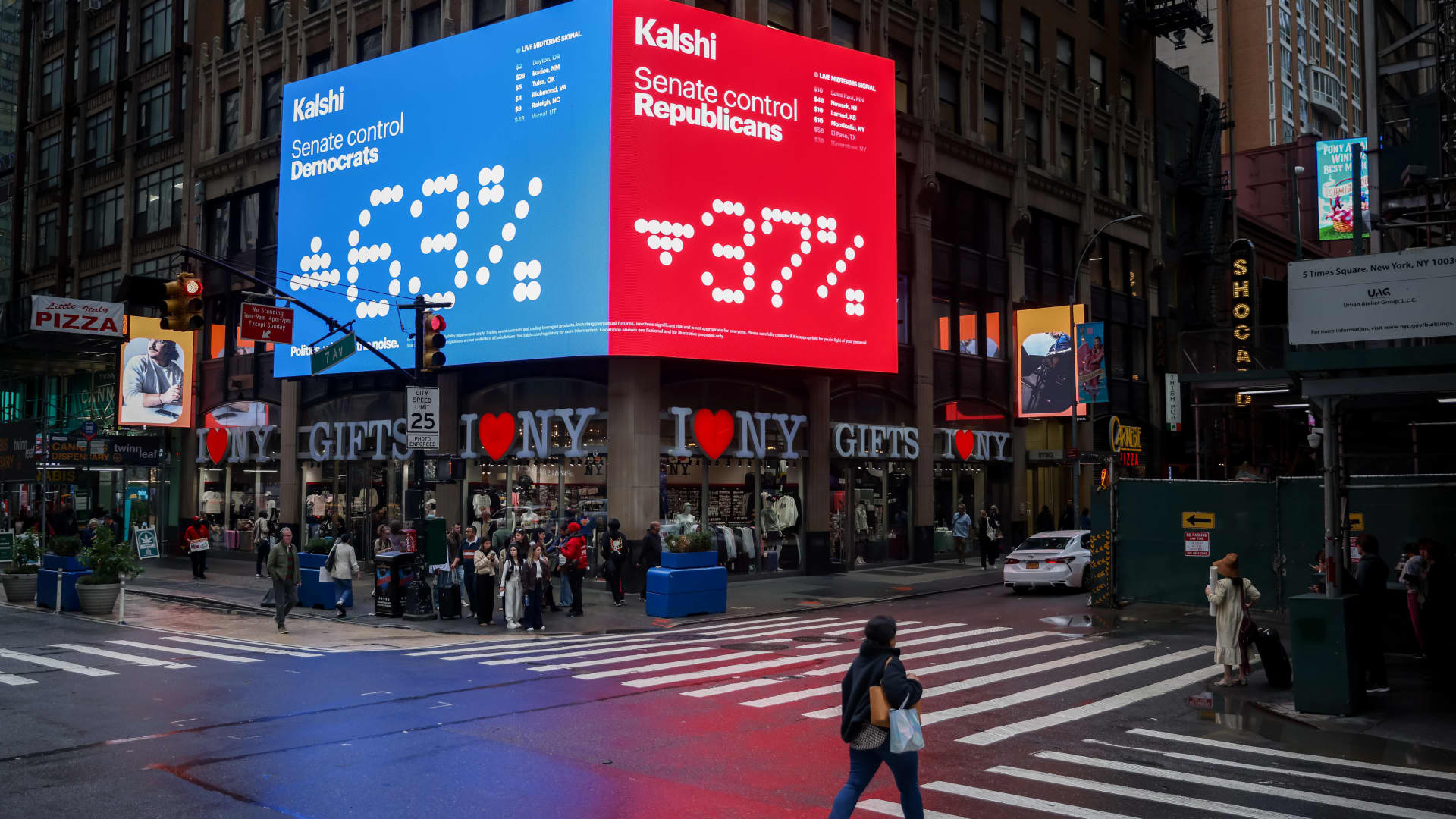
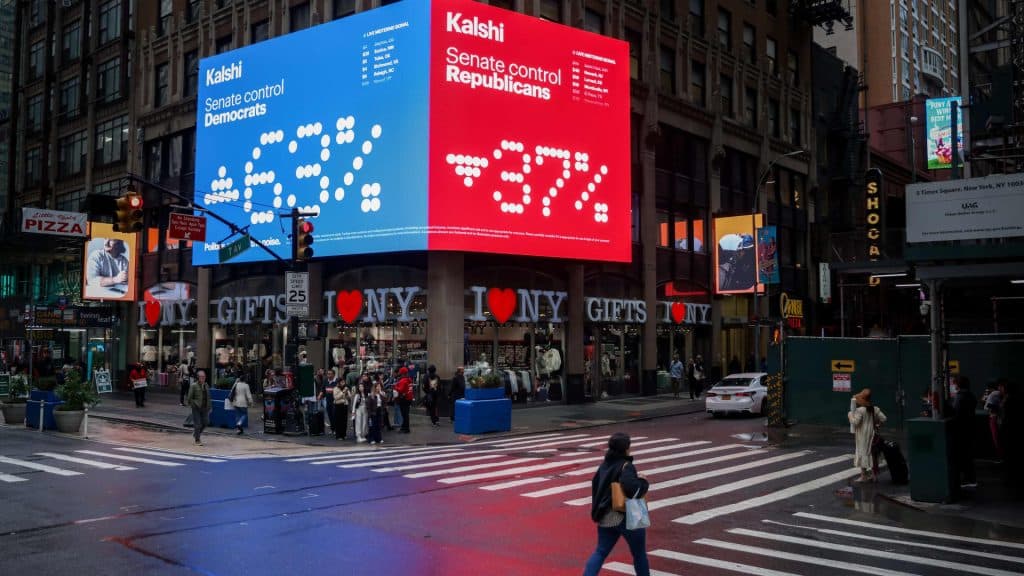
According to Cnbc, prediction-market trading in the Los Angeles mayoral primary raised concerns that sharp price movements can make candidates appear to have more support than they have. Spencer Pratt, a former reality TV star seeking the mayor’s office after the Palisades fire destroyed his home, was given a 78% chance of reaching the November runoff by one market on the eve of the June primary. He finished third.
More than $47 million was traded on the contest across Kalshi, Polymarket U.S. and Polymarket International, making it the most heavily traded mayoral race of 2026. Dean Logan, registrar-recorder for the Los Angeles County Clerk’s Office, said prediction markets can add to confusion when people treat their projections as more authoritative than votes being counted.
Kalshi said a trader spent $1.25 million on May 20 buying contracts for Pratt to become Los Angeles’ next mayor. One trade lifted the price from 29 cents to 45 cents before it returned to earlier levels within nine seconds, according to Kalshi’s July case study. An analysis by the Anti-Corruption Data Collective found numerous price spikes favoring Pratt across Kalshi and Polymarket International. The group said the price was still three cents higher three hours after the Kalshi spike and remained there for about two hours.
ACDC found that 38 of 167 congressional markets on Kalshi and Polymarket International worth more than $100,000 experienced price spikes of 30 cents or more. It also found that 88% of 18,000 active congressional markets across the two Polymarket platforms and Kalshi could have their prices moved by 10 cents through a single wager of less than $1,000. The group said it is impossible to know the motive behind such wagers.
Kalshi said its election markets often prove accurate and that it has added labels for lightly traded markets and live feeds of individual trades. Polymarket introduced an election-specific surveillance system intended to identify efforts to manipulate markets, distort probabilities or manufacture apparent consensus. Kalshi and Polymarket U.S. are governed by Commodity Futures Trading Commission rules designed to prevent market manipulation and insider trading.