












Reading in English | Read in العربية (Arabic)
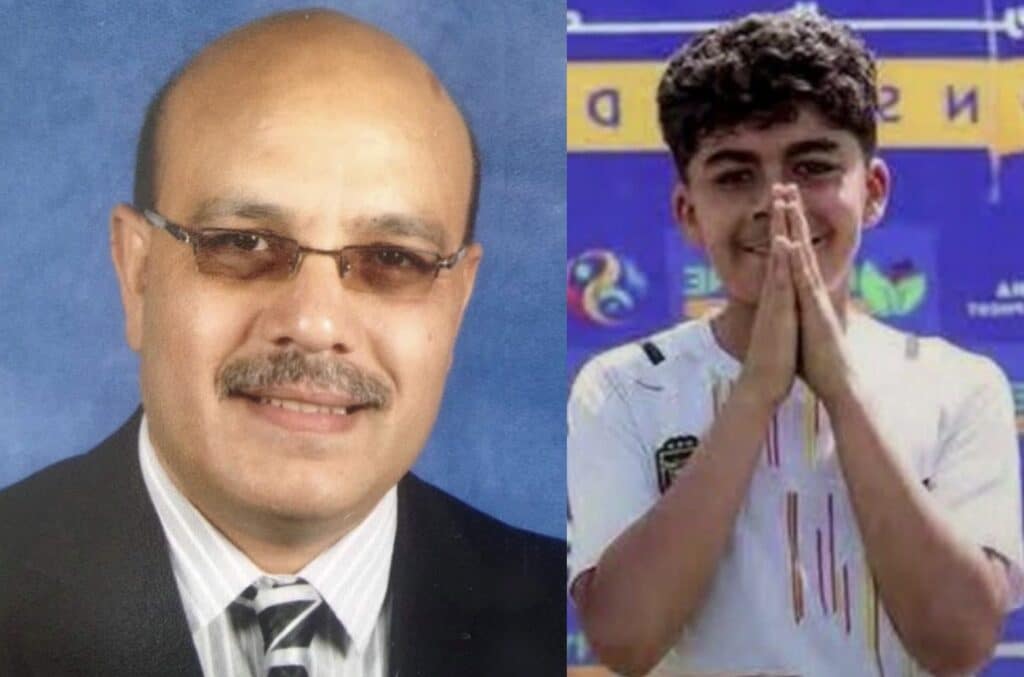
The exclusion of Christian player Makari Younan from the youth trials at Al Ittihad Alexandria Club because of his faith has sparked wide controversy in recent days. The case revived memories of many Christian sporting talents who have been sidelined at clubs, particularly in football. For example, the child Mina Essam was reportedly excluded from Al Ahly’s trials after being rejected by the club’s former goalkeeper and youth goalkeeping coach Ekramy El-Shahat. Many see this as racial discrimination against Christian players. Numerous athletes have spoken out, including Captain Ahmed Hossam “Mido” in an interview on DMC, saying our society suffers from racism and asking rhetorically whether it is conceivable that only five Christian players have ever played in the Premier League. He added that many young Christian players contemplate quitting football early because of some youth coaches’ prejudice. The late English coach Mike Smith, who led Egypt’s national team in 1986, also confirmed this pattern: when asked by a France Football correspondent why he had not selected Mohsen Abdel-Masih for the national team, Smith opened his notes and said the player’s name was there and he had requested him, but the Football Association replied that he was unsuitable because “he does not know how to read the Qur’an.”
Mr. Gohar Nabil, the Minister of Youth and Sports, rightly intervened and ordered an immediate and urgent investigation into the exclusion of Makari Younan on religious grounds. The investigation found that Al Ittihad youth coach Ahmed Sari had indeed excluded the player from the club’s trials because of his name. The matter was quickly resolved, and, according to Captain Mohamed Nour, head of Al Ittihad’s youth sector, the player passed the trials and will sign with the club.
Nevertheless, there is no clear long-term plan to address these recurring incidents amid the growing culture of religious posturing in Egyptian sports — from labeling the national team “the Prostrators” instead of “the Pharaohs” to attributing match wins to prayer, prostration, or players’ religious identity. This was evident in recent World Cup matches, where Christian players were completely absent from Egypt’s national team, despite Christian players appearing for other Arab national teams such as Iraq and Jordan, where the Christian population proportion is much smaller than in Egypt.
Unofficial discrimination against Christian youth talents in sports, especially football, will continue unless the organizational structure of sports federations is reformed. Explicit rules must be adopted to integrate Christian players and guarantee them fair representation in all official competitions, preventing exclusion based on religious identity. One practical step would be to add a clause to federation bylaws—particularly the Football Association’s—requiring clubs, including national teams, to register a minimum number of Christian players and to ensure that at least two Christian players participate in matches across all competitions. This could follow the model of the current rule that allows the Egyptian Football Association to register six foreign players, of whom no more than five may play at the same time. Alternatively, that clause could be amended to read: “Register six players from among foreigners and Egyptian Christians, with no more than five participating on the field at any time, including at least two Christian players.”