













Arabic version: مراجعة تسلط الضوء على قضايا إدارة مشروع السكك الحديدية HS2
The HS2 rail project is facing significant challenges due to an emphasis on high-speed capabilities and political pressures for rapid progress. A forthcoming review, authored by former National Security Adviser Sir Stephen Lovegrove, is expected to underscore these issues, suggesting that the project’s escalating costs and shifting political priorities have contributed to its difficulties. According to BBC News, Transport Secretary Heidi Alexander has already indicated a potential reduction in train speeds to mitigate expenses.
The review is anticipated to echo previous findings regarding HS2’s so-called “original sins,” including the complexities introduced by political urgency and the resulting extravagant designs. The project has been under a “reset” phase, with HS2 Ltd’s chief executive Mark Wild tasked with reevaluating the strategy to improve delivery outcomes.
Transport Committee Chair Ruth Cadbury pointed out that the rush to begin construction led to inadequate project planning, stating that “spades were in the ground before the project had been fully designed, permits granted and so on.” She emphasized the importance of a more measured approach to ensure successful project execution.
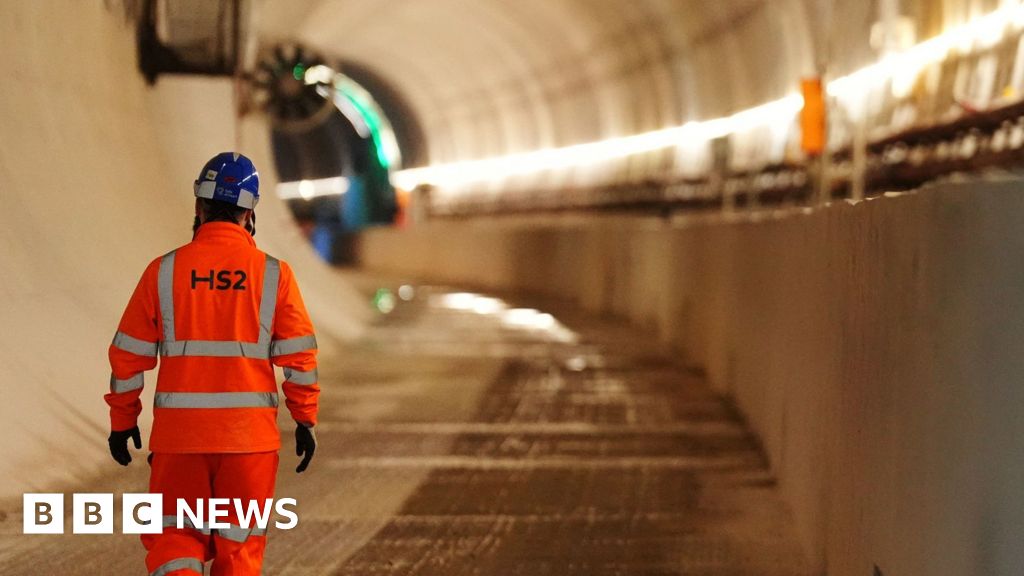
With costs projected to exceed £100 billion, the government is expected to announce that the initial target for trains to start running by 2033 will not be met. Although HS2 is currently in its peak construction phase, with significant structures like the Chilterns tunnel completed, the focus will shift to areas that require more attention, particularly the central section of the line.
In light of these developments, HS2 Ltd has indicated a willingness to slow down or pause certain construction efforts to allocate resources more effectively. The revised strategy aims to ensure that the project can deliver the essential rail capacity needed between London and the northern regions of England, and eventually to Scotland.