











Arabic version: برنامج الفحص يكشف حالات مبكرة من سرطان الرئة
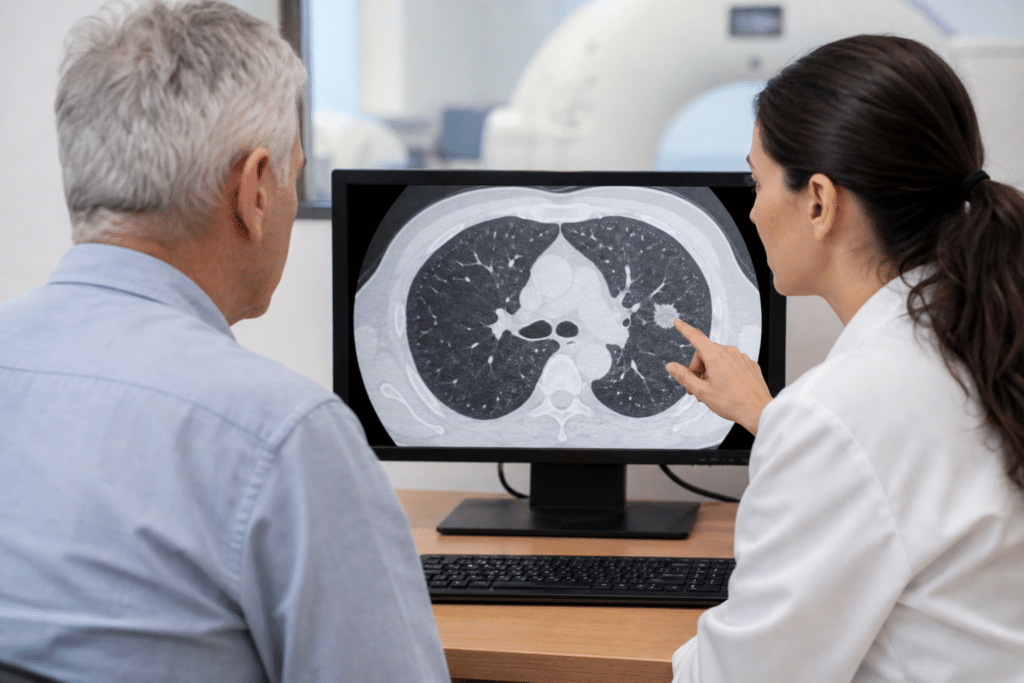
According to ABC News, more than 117,000 people have been scanned since Australia’s National Lung Cancer Screening Program began in July last year, with almost 400 lung cancers detected. More than 900,000 Australians are estimated to be eligible for the free program, which targets early detection of the country’s deadliest cancer.
Suzi Scott, 57, was diagnosed with lung cancer last year after a bulk-billed low-dose CT scan found a 1.6-centimetre tumour in her right lung. She had no symptoms before the scan. About four weeks later, the cancer was removed at The Prince Charles Hospital in Brisbane’s north. She spent four days in hospital, took six weeks off work and has not needed further treatment.
Ms Scott’s mother, June, died from lung cancer at 49 in the 1970s, when Ms Scott was nine. By the time her mother was diagnosed, the cancer had spread beyond her lungs. Ms Scott, who works in security, said she had been running, was physically fit and had no cough, chest pain or blood in her sputum before her tumour was found.
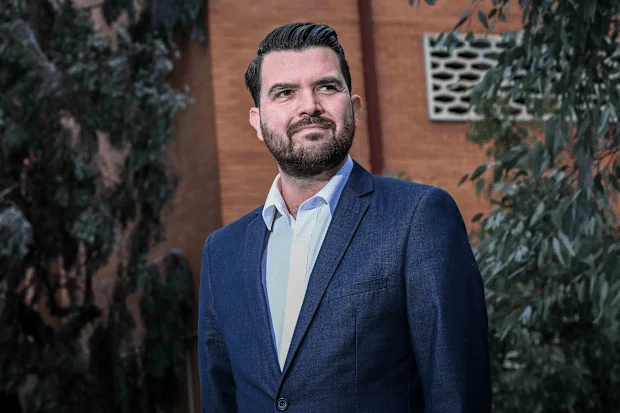
Eligible Australians are aged 50 to 70, have a significant smoking history equivalent to a pack a day for 30 years, and do not have signs or symptoms suggesting lung cancer. Lung cancer kills about 9,000 Australians a year. Lung Foundation Australia chief executive Mark Brooke called for more investment to help general practitioners refer patients, while Curtin University respiratory specialist Professor Fraser Brims said access to care after diagnosis remained uneven in some regions.
Mr Brooke also suggested consideration of a wider age range and people with a family history or high-risk occupations. Professor Brims called for stronger smoking-cessation support and more specialist lung cancer nurses. Ms Scott, who stopped vaping nicotine after surgery, said she hoped her experience would encourage others from her generation to be screened.