












Arabic version: النظارات الذكية تثير مخاوف بشأن الخصوصية ونقاشاً حول إمكانية الوصول
According to The Guardian, Rhys was sent a photo of himself working outside a Melbourne cafe after a stranger used Meta Ray-Ban glasses to take the image without his knowledge. The person later messaged him on Grindr, commenting on his dog and apologising for not saying hello. Rhys said the experience felt creepy, and he had not noticed the LED light intended to alert others that the glasses were filming or taking pictures.
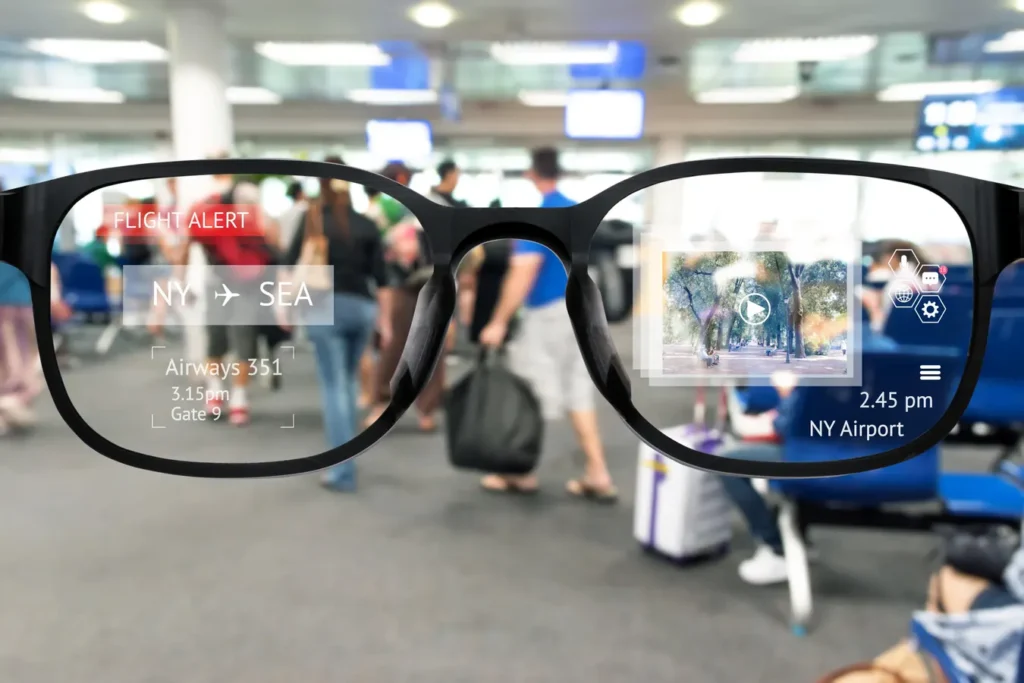
Camera-equipped smartglasses are becoming more common as designs increasingly resemble ordinary eyewear. Meta says it has sold more than 7m pairs worldwide, while cheaper alternatives are also gaining attention. Kmart’s Anko-branded $89 camera glasses sold out in Australia, prompting a GetUp petition calling for a ban that had 21,000 signatures as of Friday. Dr Fareed Kaviani of Monash University said wider access to the devices did not amount to a “democratisation of consent”.
University of Sydney researchers reviewed 350 publicly available Instagram videos recorded on smartglasses between 2023 and 2026. They reported a shift towards discreet point-of-view recording that bystanders may struggle to detect. In a subset of videos, about 60% of interactions were classified as potential harassment, while women were abused in comments on 43% of videos. Researcher Dr Joanne Gray said the footage could expose subjects to a wider web of harassment.
Supporters, however, say the technology can be transformative for blind and low-vision users. Graeme Innes, blind since birth, said Meta’s Ray-Bans had been life-changing because they provide hands-free assistance with visual descriptions, reading menus, checking items at home and navigating surroundings. Vision Australia’s Chris Edwards said the glasses allow users to access AI assistance or visual-description services without the cost and impracticality of hiring human support.
Meta last month updated its glasses to disable the camera if the LED light is interfered with, and reportedly began removing videos involving harassment of strangers. Australia’s eSafety regulator said it had received a small number of complaints in which camera-enabled smartglasses may have been involved. Privacy commissioner Carly Kind said the devices could fundamentally alter interpersonal interactions and that regulators should consider whether new laws are needed.