












Arabic version: تصعيد أزمة مضيق هرمز مع هجمات على الناقلات
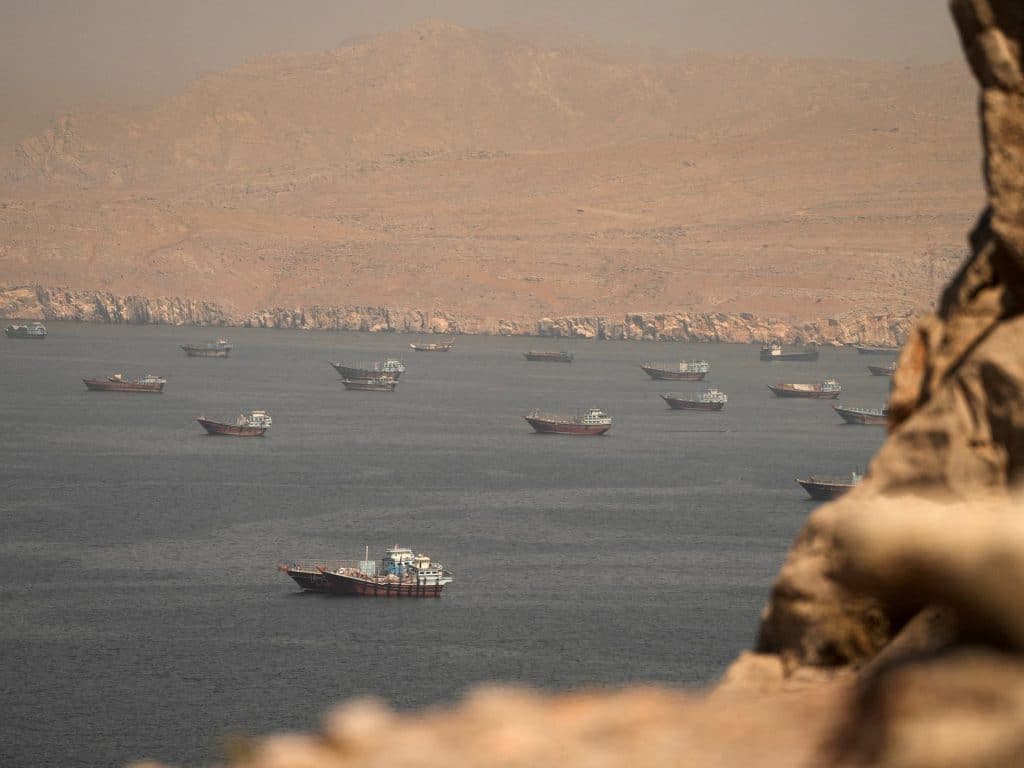
The Strait of Hormuz has become the focal point of escalating tensions between Iran and the United States. On Tuesday, two tankers were attacked as they transited the Strait of Hormuz via a passage in Omani waters, leading Gulf countries to condemn the incidents and place the blame on Iran. In response, the U.S. launched attacks on Iranian territory, prompting Tehran to retaliate against Bahrain and Kuwait. This series of events has rendered the memorandum of understanding between Iran and the U.S. void, according to Al Jazeera.
The conflict over the Strait of Hormuz has complicated negotiations between the U.S. and Iran, overshadowing discussions on Iran’s nuclear program. The strait is critical for global oil supply, with about one-fifth of the world’s oil and liquefied natural gas transiting through it. Despite its strategic importance, Iran’s actions have severely disrupted traffic, reducing it by roughly 95% since the onset of hostilities, according to the International Energy Agency.
Iran’s military activities have caused a collapse in its own oil exports, which fell by more than 90% in May, exacerbated by U.S. naval enforcement. The economic fallout is significant, with Iran’s crude now selling at a 20% discount compared to international prices. A recent U.S. Treasury waiver issued on June 22, permitting Iran to sell oil at full market rates through August 21, has been rescinded following the latest attacks.
The Gulf states are feeling the impact of the crisis, leading to alternative routes for oil transport. Saudi Arabia and the UAE have attempted to redirect crude through existing pipelines, though these alternatives can only handle a fraction of the volume that previously passed through the strait. The ongoing conflict has forced countries like Qatar and Oman to navigate complex political and economic challenges.
Globally, the repercussions are being felt through rising oil prices and increased shipping insurance costs, which have surged from 0.25% to as high as 8% of a vessel’s value. This has resulted in higher consumer goods prices and slowed economic growth projections. The World Bank warns that the closure of the strait could lead to a significant decline in global economic growth, affecting import-dependent countries and exacerbating food insecurity due to rising fertilizer prices, which have increased by more than 12%. The situation underscores the urgent need for a resolution that addresses both the control of the strait and the broader geopolitical implications of the ongoing conflict.