











Arabic version: تراجع الاهتمام العالمي يترك السودان بينما تتصاعد الكارثة الإنسانية
Sudan remains at the centre of what a guest columnist calls the world’s worst humanitarian catastrophe, even as international media and attention have moved elsewhere.
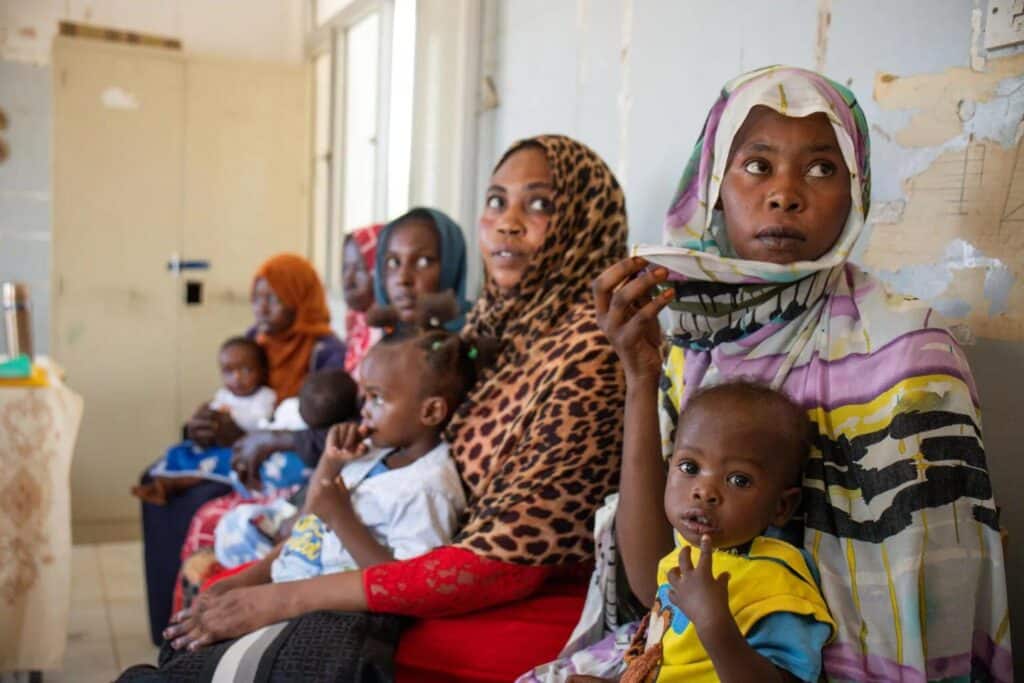
According to Allafrica, children in Sudan wake to gunfire, mothers trek for days seeking nonexistent food, fathers bury relatives without ceremonies, entire villages vanish, millions have been displaced and millions more face starvation. Hospitals have become battlefields and schools now serve as shelters.
Aid agencies continue to issue increasingly desperate warnings. The United Nations, the World Food Programme, UNICEF, Médecins Sans Frontières and the International Committee of the Red Cross have repeatedly pleaded for emergency funding, the column reports, and those appeals have gone largely unanswered. The columnist links funding shortfalls directly to clinic closures, children going without food, shortages of medicine and ongoing mass displacement.
The piece warns that every funding shortfall is measured not merely in dollars but in human lives: delayed donations mean clinics close, children go without nourishment, mothers cannot find medicine and families are forced onto endless roads of displacement. It stresses that the silence of the international community has real, immediate consequences on health, food security and protection for civilians.
The column questions the African Union’s effectiveness, noting statements, meetings and declarations have not translated into sufficient protection for civilians on the ground. It highlights a growing perception that the AU risks appearing unable to stop a major humanitarian catastrophe unfolding within Africa, which could weaken confidence in the institution’s capacity to act decisively in crises.
The guest piece also appeals to Africa’s wealthy citizens and cultural figures—billionaires, philanthropists, musicians, actors and other artists—to mobilise resources and influence. It calls for continent-wide campaigns, benefit concerts, coordinated airlifts and private humanitarian coalitions to feed displaced families, deliver medicine and raise sustained awareness. The columnist argues that Africa’s creative community and its wealth creators possess influence that, if applied collectively, could meaningfully alleviate suffering.
Why this matters: the scale of displacement, the risk of famine, the collapse of healthcare and the transformation of schools into shelters mean basic services and protections for millions are failing. The column concludes with an appeal that history will remember whether those with the power to help chose to act, and warns that if emergency funding and broader mobilisation continue to fall short, the humanitarian crisis in Sudan will deepen with more clinic closures, more children without food and more families forced from their homes.
Related sections: Arab | North Africa/شمال إفريقيا | General | World/العالم