











Arabic version: مقطّرو تسمانيا يواجهون تباطؤاً عالمياً في سوق الويسكي
According to ABC News, a worldwide fall in whisky demand is creating difficult conditions for Tasmania’s distillers, even as some producers continue to expand. Tasmania is home to a third of Australia’s whisky distilleries, an industry revived after small-scale spirit operations became legal in 1992.
The modern sector grew from a campaign by Hobart land surveyor and pub owner Bill Lark, who founded Lark Distillery with his wife Lynn. Their first Tasmanian whisky release, in December 1998, comprised 150 bottles and sold out quickly. The state’s profile rose further in 2014, when Hobart-based Sullivans Cove won best single malt whisky at the World Whisky Awards.
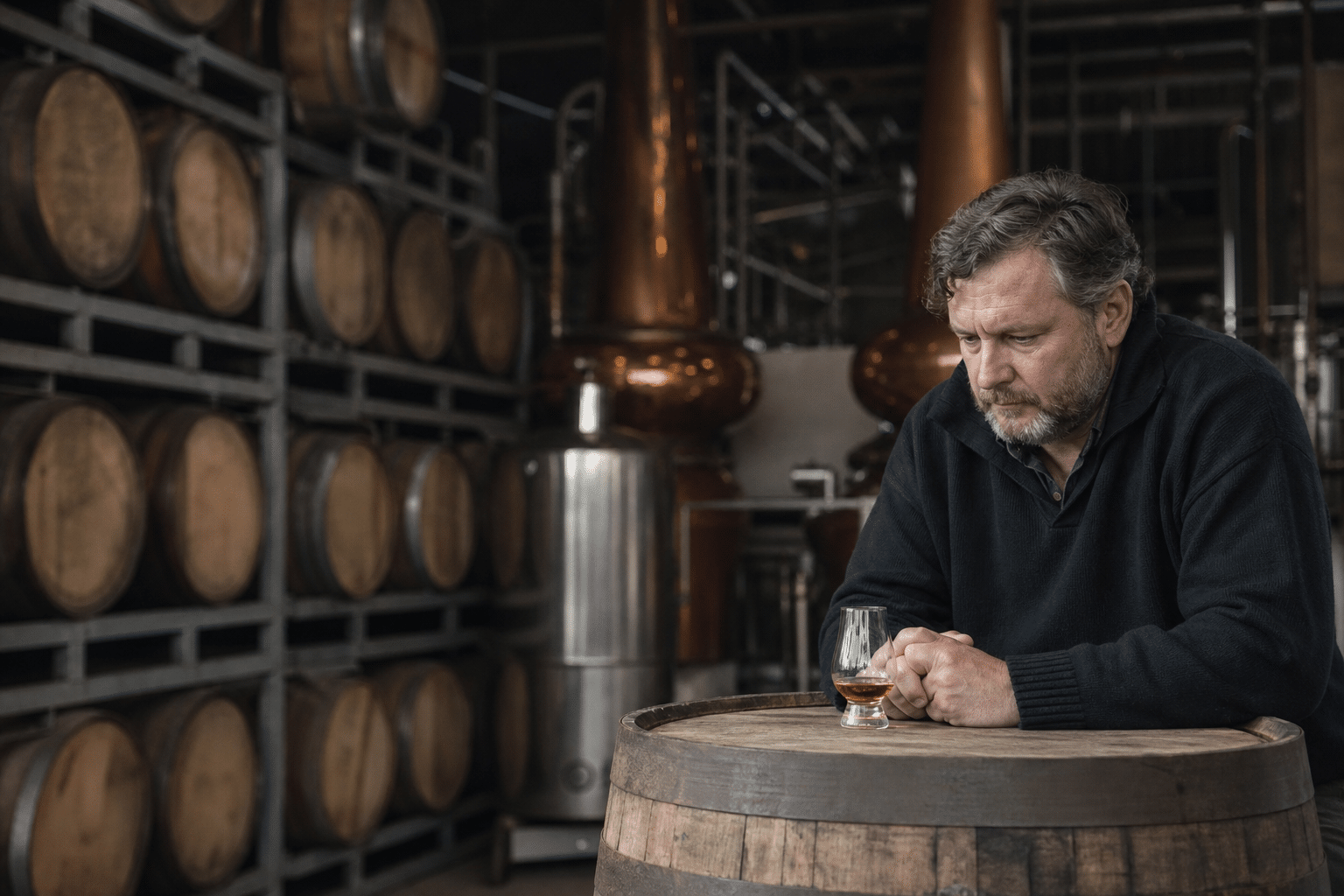
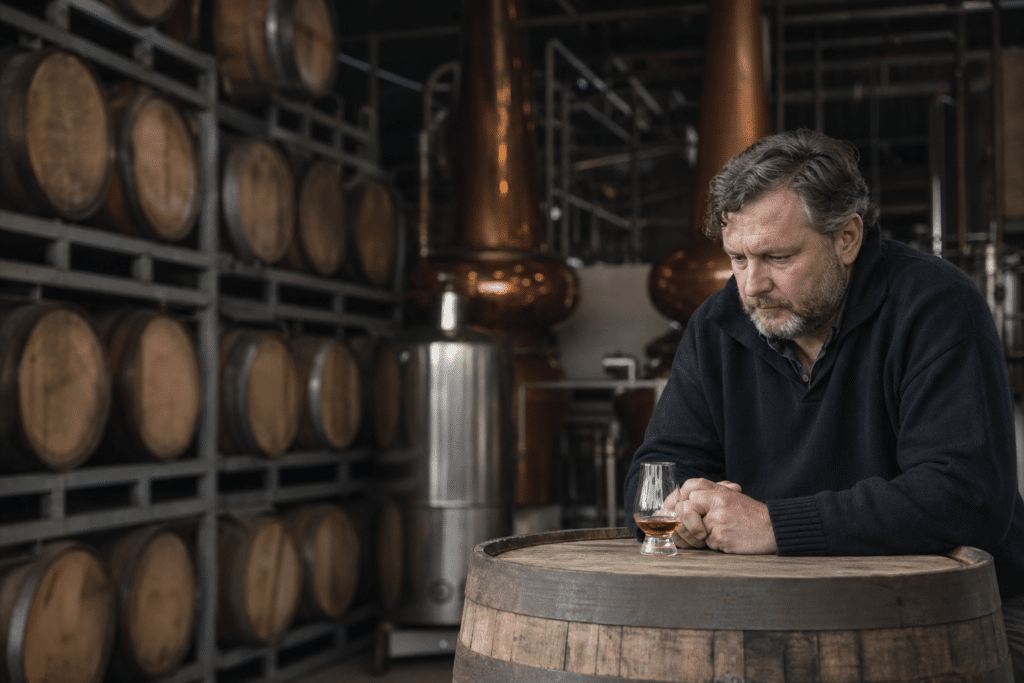
Global producers are now responding to weaker demand by reducing activity. Jim Beam has paused production at its main Kentucky distillery for all of 2026, while Scotland’s Holyrood announced an indefinite pause and administrators were called into GlenWyvis Distillery. At Port Arthur’s McHenry Distillery, founder William McHenry said cost pressures led the business to let staff go and reduce output from daily distilling 18 months ago to a couple of times a month.
Mr McHenry attributed lower sales to more distilleries, persistently high inflation and customers choosing cheaper imported products. He also called for an overhaul of alcohol excise remissions. Whisky producers pay $110 per litre of pure alcohol, with the first $400,000 returned as a tax refund. A spokesperson for Assistant Treasurer Daniel Mulino said the scheme supports smaller brewers and distillers with costs, growth and local jobs.
Not every producer has seen a sharp decline. Bicheno-based Waubs Harbour, founded by brothers Tim and Rob Polmear, produces about 12,000 litres a year and has recorded 30 per cent sales growth over the past couple of years. Sullivans Cove is also increasing production, while chief executive Andy Gaunt said Tasmania should target a 1 per cent global whisky share, compared with the local industry’s current 0.05 per cent worldwide sales rate.