












Arabic version: شركاء تجاريون يرفضون مبررات ترامب لرسوم العمل القسري
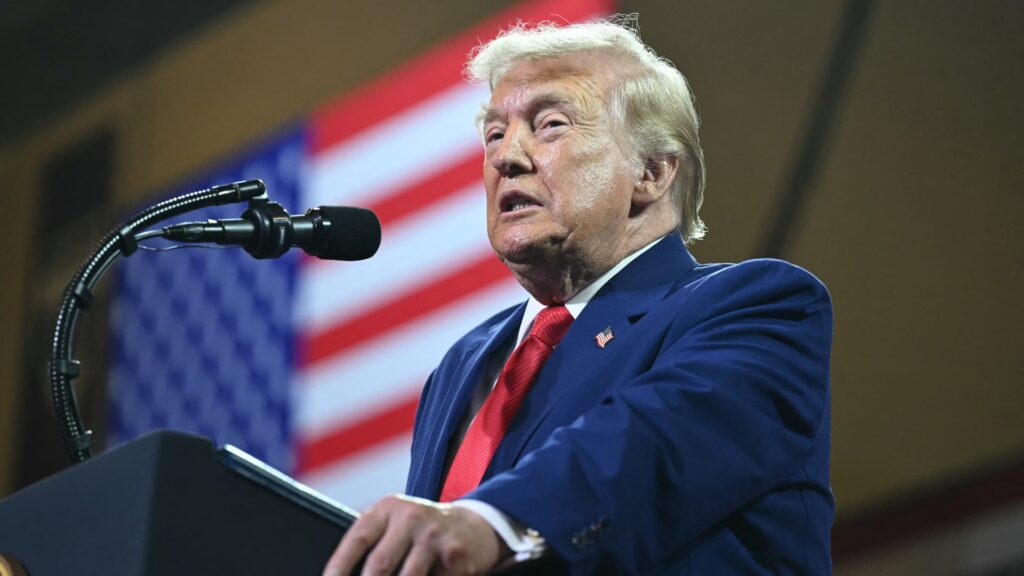
According to Cnbc, U.S. trading partners from Canberra to Brasília rejected the forced-labor rationale behind President Donald Trump’s new global tariffs, though most said they would continue negotiations rather than retaliate. The Office of the U.S. Trade Representative on Thursday acted under Section 301 of the Trade Act of 1974, imposing duties on 60 economies over what Washington described as failures to ban and enforce prohibitions on goods made with forced labor.
The tariffs are set at 10% for partners that have adopted or committed to import prohibitions and 12.5% for those that have not. They cover the top 60 U.S. trade partners and 99.4% of American imports. The measure replaces a temporary 10% global tariff under Section 122 that expires July 24, after the Supreme Court ruled Trump’s emergency-powers tariffs unlawful in February.
Australia, China including Hong Kong, Singapore and South Korea face the 12.5% rate, while Malaysia, Taiwan, Indonesia and India remain subject to 10% additional tariffs. Australian Trade Minister Don Farrell called the tariffs “unjustified” and inconsistent with the countries’ free trade agreement. Brazil described its 12.5% duty as “arbitrary” and “unjustified,” while President Luiz Inácio Lula da Silva said the country remained open to talks but would seek other markets if it could not sell into the United States.
Chile said the U.S. resolution does not allege that it exports goods made with forced labor and said it would seek exclusions for key exports. Canada, in the lower tier with an exemption for USMCA-compliant goods, said it would continue engaging constructively. No major partner has announced countermeasures. The Peterson Institute for International Economics said the investigation was a mechanism for exporting America’s import ban on Chinese goods and recreating the tariff regime struck down by the Supreme Court.