











Arabic version: ترامب يفرض رسومًا جمركية بنسبة 100% على الأدوية المستوردة
According to SBS News,
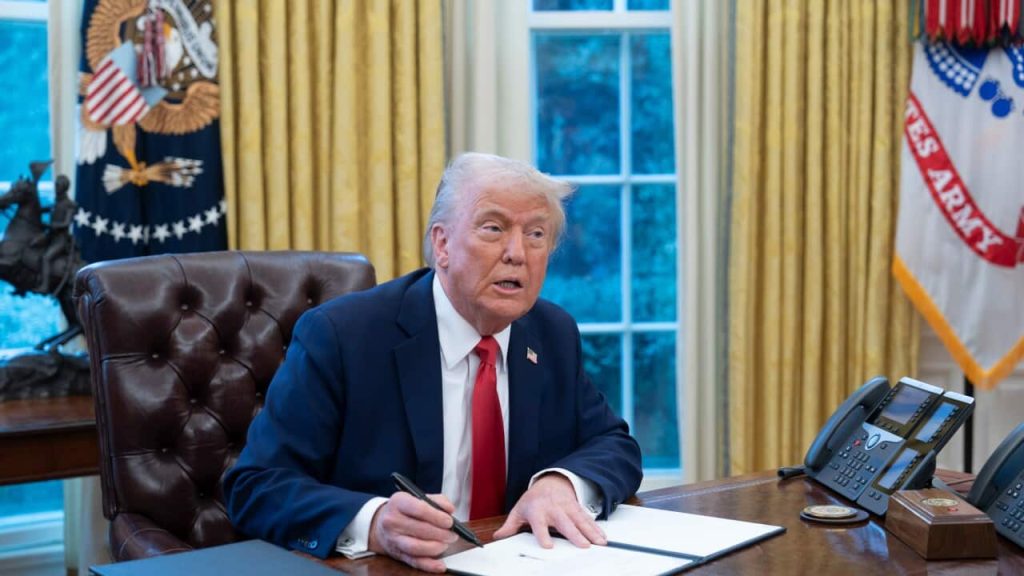
United States President Donald Trump has slapped a 100 per cent tariff on some pharmaceutical drugs made outside the US, with Australian-made products facing the highest levy despite carve-outs for other countries. Trump signed the executive order overnight, delivering on a long-standing promise to tax foreign-made pharmaceuticals in a bid to pressure manufacturers to shift production to the US.
Health Minister Mark Butler called the decision “deeply disappointing and deeply concerning”. He expressed his disappointment over the decision, stating it would create uncertainty for exporters but reassured that it would not affect medicine prices for Australians. He emphasized that Australia has maintained a beneficial trading relationship with the U.S. for over two decades, particularly in the pharmaceutical sector.
The tariff, which primarily targets Australian-made products, comes with a provision that reduces the levy to 20 per cent for companies that relocate their production to the U.S. A significant share of Australian exports is produced by Melbourne-based manufacturer CSL, which has been investing heavily in US manufacturing to sidestep the tariff. CSL said it had invested more than $3 billion in US operations since 2018, creating more than 6,500 US jobs.
Despite the concerns raised, Butler noted that Australia’s Pharmaceutical Benefits Scheme (PBS) would continue to protect local consumers from price increases. He also highlighted that the U.S. pharmaceutical lobby has criticized the PBS, arguing it undermines U.S. innovation and sales.
Opposition leader Angus Taylor stated that the Coalition would collaborate with the government to seek an exemption for Australian pharmaceutical exports from the new tariffs. While the U.S. maintains lower tariffs for drugs produced in certain countries, a White House official reiterated that Australia does not have a special tariff rate, indicating a challenging path ahead for Australian exporters.