












Arabic version: ترامب يرفض اقتراح إيران لإنهاء النزاع المستمر
President Donald Trump has labeled Iran’s response to U.S. proposals aimed at ending the ongoing war as “totally unacceptable.” Iran’s semi-official Tasnim news agency reported that Tehran’s proposal, transmitted via Pakistan, called for an immediate cessation of hostilities, a halt to the U.S. naval blockade, and guarantees against further attacks on Iran. Despite a ceasefire that has largely been maintained, occasional exchanges of fire have occurred.
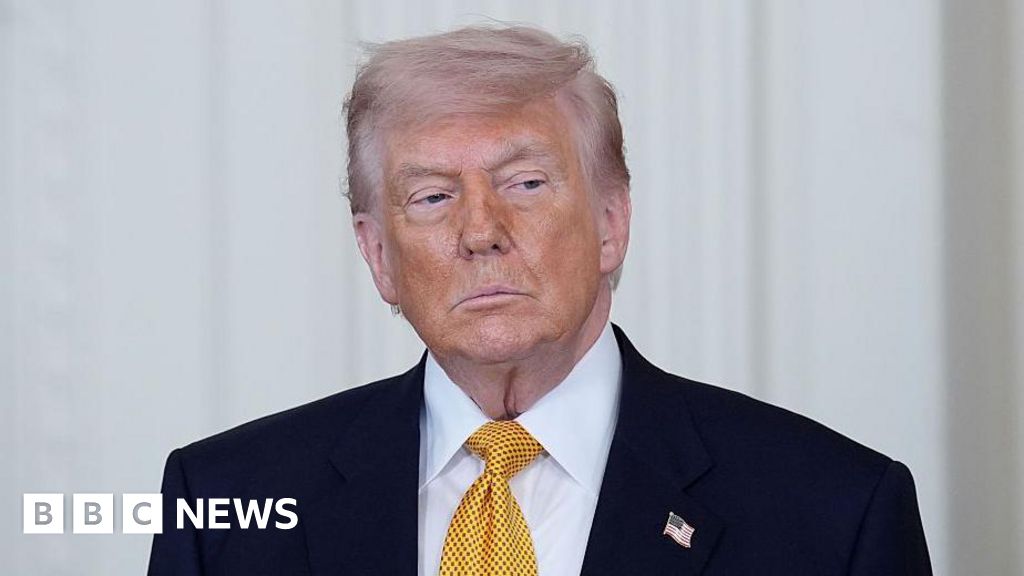
According to BBC News, Trump expressed his discontent with Iran’s response on social media, stating, “I have just read the response from Iran’s so-called ‘Representatives.’ I don’t like it – TOTALLY UNACCEPTABLE.” The U.S. proposal reportedly includes provisions for suspending Iranian nuclear enrichment, lifting sanctions, and ensuring free transit through the Strait of Hormuz.
The conflict began following U.S. and Israeli airstrikes on February 28, with a ceasefire taking effect last month. Israeli Prime Minister Benjamin Netanyahu emphasized that Iran’s stockpile of enriched uranium must be addressed before the war can be considered concluded. He stated that dismantling enrichment sites is essential.
Iran has maintained its control over the Strait of Hormuz, a critical passageway for global oil transport, and has warned that vessels not complying with its directives would face severe consequences. The U.S. has enforced a blockade of Iranian ports, further escalating tensions. The British Royal Navy is preparing to send a warship to the Middle East to participate in an international mission to ensure shipping safety in the strait, contingent on the cessation of hostilities.
In a broader context, military representatives from over 40 nations are set to convene to discuss protective measures for maritime traffic in the region. As tensions persist, the situation remains volatile, with both sides poised for further actions depending on the outcomes of ongoing negotiations.