













Arabic version: محكمة المملكة المتحدة تقضي بأن حظر مجموعة فلسطين أكشن غير قانوني
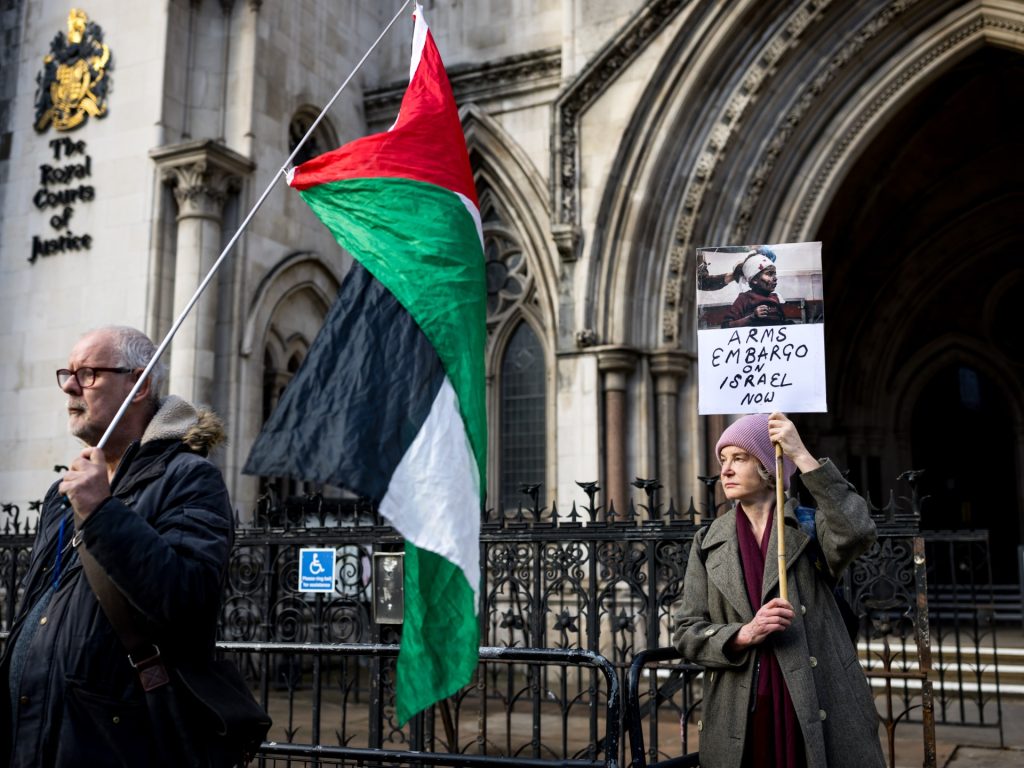
A recent ruling by the UK High Court has deemed the ban on the activist group Palestine Action as unlawful, marking a significant victory for the organization. Palestine Action, known for its direct actions against companies that are perceived to support the Israeli military, faced a legal challenge after the UK government imposed restrictions on its activities. The court’s decision has raised questions about the balance between national security and the right to protest, as well as the broader implications for activism in the UK.
The legal battle began when the UK government issued an order to ban Palestine Action, citing concerns over public safety and potential disruption. The group has been involved in high-profile protests and actions against companies such as Elbit Systems, which manufactures military equipment used in conflicts involving Israel. The government argued that the group’s activities posed a threat to public order, leading to the controversial ban.
However, the High Court found that the ban was not justified and infringed upon the group’s rights to freedom of expression and assembly. The ruling emphasized that while the government has a duty to maintain public safety, it must also respect the rights of individuals and organizations to engage in peaceful protest. This decision has been welcomed by human rights advocates and activists who argue that the ruling upholds democratic values and the right to dissent.
Palestine Action has expressed its gratitude for the court’s decision, stating that it reinforces the importance of standing up against injustice and holding corporations accountable for their actions. The group plans to continue its activism and has called on supporters to join them in their efforts to dismantle what they describe as complicity in human rights violations.
The ruling has sparked a broader conversation about the limits of government power in regulating protest activities, particularly for groups advocating for Palestinian rights. Critics of the ban argue that it is part of a wider trend of suppressing dissenting voices in the UK, particularly those related to issues of social justice and human rights.
As the UK grapples with its approach to activism and protest, this ruling may set a precedent for future cases involving the rights of organizations to operate freely. The implications of the court’s decision extend beyond Palestine Action, as it highlights the ongoing struggle for activists to engage in meaningful protest without fear of government retaliation.
In conclusion, the High Court’s ruling against the ban on Palestine Action serves as a reminder of the importance of protecting civil liberties and the right to protest in the face of government restrictions. As the landscape of activism continues to evolve, this decision will likely resonate with many groups advocating for various causes across the UK and beyond.