












Arabic version: المملكة المتحدة تؤمن اتفاقية تجارية بقيمة 3.7 مليار جنيه إسترليني مع دول الخليج
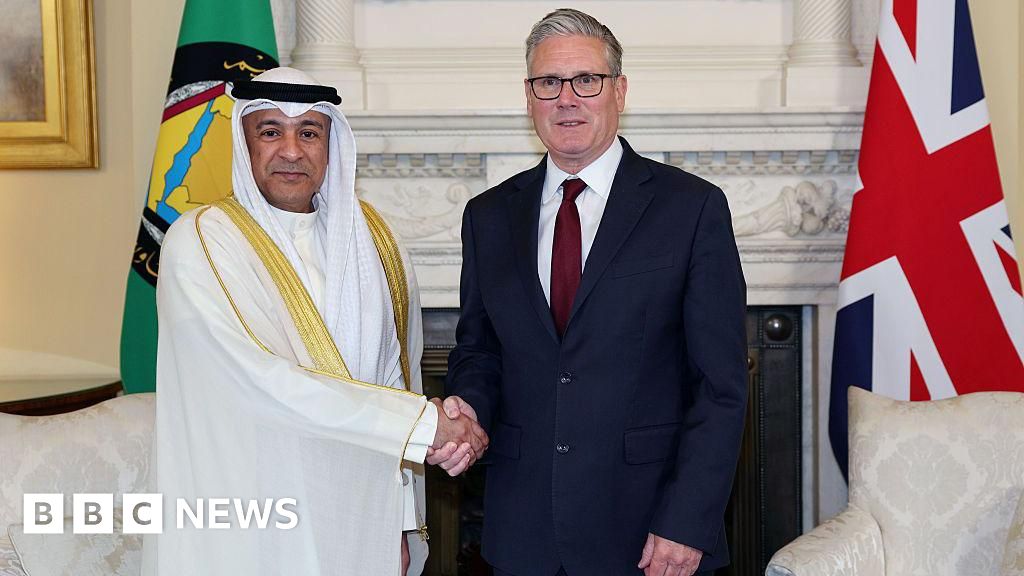
The UK government has finalized a significant trade agreement with six Gulf states, projected to contribute £3.7 billion to the British economy. This deal, involving Bahrain, Kuwait, Oman, Qatar, Saudi Arabia, and the United Arab Emirates (UAE), is set to eliminate approximately £580 million in tariffs on British exports to the region once it is fully implemented.
According to BBC News, the agreement is expected to facilitate greater expansion opportunities for British firms in the Gulf, ultimately supporting job creation. However, activist groups have voiced concerns regarding the absence of detailed provisions on human rights and labor protections within the deal.
Chris Southworth, secretary general of the International Chamber of Commerce (ICC) UK, praised the agreement as a boost to business confidence. The Conservative Party, which initiated negotiations for this trade deal, described it as a significant opportunity post-Brexit, cautioning that Labour’s pro-EU stance could jeopardize such initiatives.
The deal, which is the third of its kind under Prime Minister Sir Keir Starmer’s administration, follows previous agreements with India and South Korea. It marks the first trade agreement between a G7 country and the Gulf Cooperation Council (GCC). Sir Keir characterized the GCC deal as a “huge win” for British workers, emphasizing that it would lead to higher wages and more opportunities in the future.
Business and Trade Secretary Peter Kyle stated that the announcement sends a strong signal of confidence, providing UK exporters with the certainty needed for future planning. Despite the positive outlook from government officials, rights group Trade Justice Movement has expressed serious concerns about the implications for human rights and environmental standards, emphasizing the risks associated with deeper commercial ties to repressive governments.