












Arabic version: دعوة عاجلة لمقدمي طلبات التعويض من قدامى المحاربين المثليين
Fighting With Pride, a military charity, has raised alarms that at least 1,000 LGBT veterans may miss out on financial compensation due to the historical ‘gay ban’ in the UK armed forces. With less than six months left to apply, many veterans remain unaccounted for, potentially forfeiting up to £70,000 and additional support. According to BBC News, the charity estimates that a significant number of these veterans are either not open about their sexuality or feel ashamed to come forward.
The Ministry of Defence (MoD) has expressed deep regret over the treatment of LGBT personnel and is actively working to raise awareness about the compensation schemes available. The legal decriminalisation of homosexuality in the UK began in 1967, but the military’s ban on openly gay service members lasted until 2000. Many veterans endured severe consequences, including intrusive interrogations and dishonourable discharges.
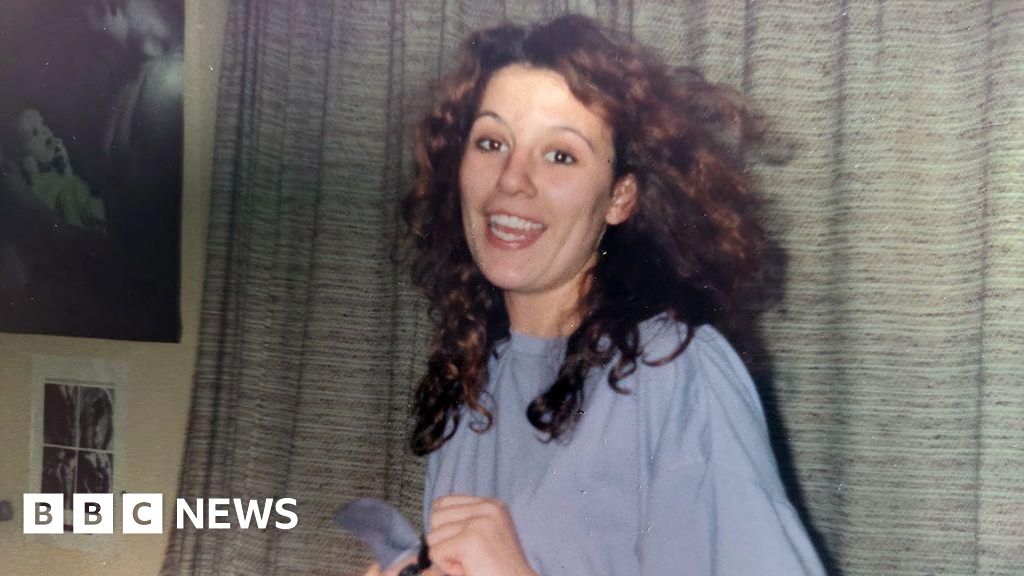
Karen Usher, a veteran who has shared her experience, emphasized the trauma faced by those forced to conceal their sexuality. She described her own struggles during her service in the Royal Air Force, which led to a mental health crisis. Usher and others have applied for reparations under a scheme launched in 2024, but she worries that outreach efforts have not adequately reached isolated veterans.
Pam Johnson, another veteran, revealed that she only learned about the reparative measures after a chance encounter with another veteran. She faced severe repercussions after her sexuality was discovered, ultimately leading her to resign from the Women’s Royal Army Corps. Johnson is awaiting news on her application for compensation, hoping it will validate her painful past.
Peter Gibson, chief executive of Fighting With Pride, estimates that many veterans remain unaware of the scheme or are reluctant to seek help. He stressed the importance of confidentiality for those who reach out. The MoD has reiterated its commitment to addressing these historical injustices through initiatives like the LGBT Financial Recognition Scheme, which allows for payments between £1,000 and £70,000 based on individual circumstances, as well as non-financial restorative measures. Usher noted that such actions have begun to restore pride among those who served under the ban.