













Arabic version: الولايات المتحدة تؤكد الضربات على المنشآت الرئيسية في إيران لدفع المفاوضات
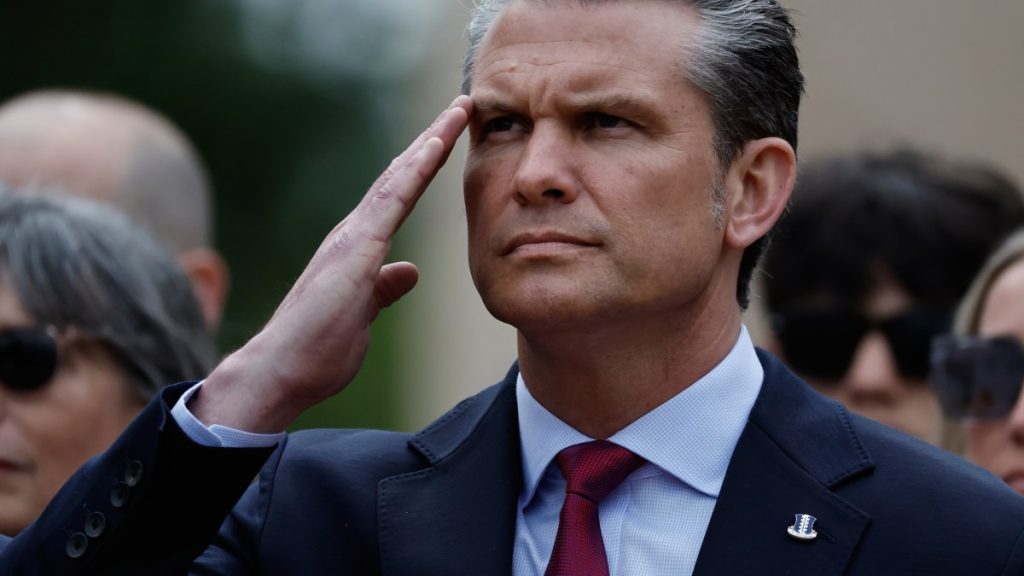
US Secretary of Defense Pete Hegseth has confirmed that the United States is launching strikes on “key facilities” in Iran, framing the attacks as part of the ongoing negotiations for a permanent ceasefire. Hegseth spoke to reporters on Wednesday in Tampa, Florida, as he left the headquarters for the US Central Command (CENTCOM), which oversees military operations in the Middle East and parts of Asia. According to Al Jazeera, the strikes were launched just days after an Apache helicopter was downed, with President Donald Trump asserting that Iran would need to “pay the price” for its actions.
Hegseth indicated that the US Central Command (CENTCOM) would continue its military operations, stating, “Those strikes that’ll happen tonight will be strong. They will be clear.” He explained that he had just reviewed the plans for Wednesday night’s attack with Admiral Bradley Cooper, CENTCOM’s commander. He did not rule out the possibility of further strikes, suggesting that if necessary, they would continue into subsequent days. CENTCOM later confirmed through social media that the strikes were in response to Iran’s “unwarranted and continued aggression.”
The recent military actions mark a significant escalation in the ongoing conflict, fracturing the fragile truce established on April 8. The US has been at war with Iran since February 28, when the Trump administration joined Israel in an unprovoked attack on the country, justified by concerns over Iran’s nuclear ambitions, which Tehran has consistently denied.
Hegseth’s comments reflect a broader shift towards what some analysts describe as “gunboat diplomacy,” where military force is used to achieve political objectives. He stated, “If we need to negotiate with bombs, we’ll negotiate with bombs,” highlighting a willingness to use military strikes as leverage in diplomatic discussions. Critics have raised concerns about potential violations of international law, particularly regarding the targeting of civilian infrastructure, which Hegseth dismissed as a disingenuous question during the press briefing.
As the situation escalates, Iran has retaliated with strikes against US bases in Kuwait, Jordan, and Bahrain. This ongoing exchange of hostilities raises significant questions about the future of US-Iran relations and the possibility of a diplomatic resolution to the conflict.