













Arabic version: الاقتصاد الأمريكي يظهر نمواً وسط الصراع المستمر في إيران
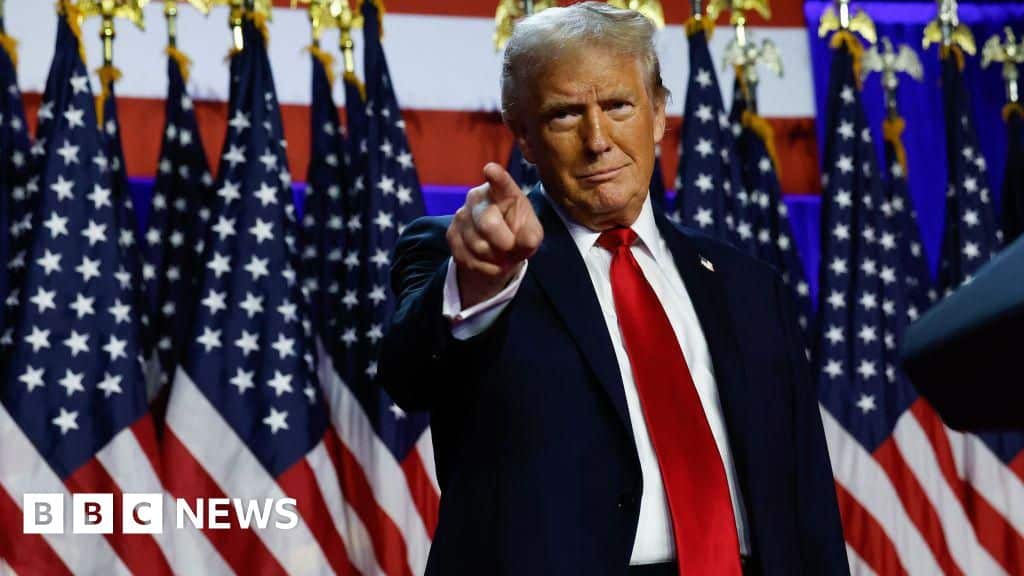
The ongoing US-Israeli war in Iran has now stretched into its third month, causing significant global energy disruptions reminiscent of the oil crises of the 1970s. This conflict has led to increased prices for essential goods, including fuel and groceries. Nevertheless, the latest GDP figures reveal that the US economy experienced a growth of 2% in the first quarter of 2026, offering a potential boost for President Trump as midterm elections approach. According to BBC News, Trump is likely to leverage these figures to support his economic policies.
Despite the challenges posed by rising consumer prices due to tariffs and the energy crisis from the Iran conflict, economists noted that consumer spending grew by 1.6% on an annualized basis. Much of this growth is attributed to substantial investments by technology companies in artificial intelligence, which have become a key driver of the economy, according to James Knightley, chief international economist at ING.
While the headline growth figures may appear favorable, the rising cost of living is likely to weigh heavily on voters’ minds. The conflict has driven oil prices to a four-year high, with a barrel of Brent crude recently reaching $126. Consequently, Americans are facing fuel prices of $4.30 per gallon, significantly up from less than $3 prior to the war. This surge in oil prices has contributed to an inflation rate of 3.3% in March, the highest in nearly two years.
The Federal Reserve has responded to these economic conditions by maintaining its interest rate at 3.5% to 3.75%, dashing hopes for immediate rate cuts. Higher oil prices and the expectation of continued blockades on Iranian ports could delay any potential cuts until 2027, as noted by economist Samuel Tombs.
On a more positive note, the stock market has shown resilience, with major indices such as the S&P 500 and Nasdaq Composite recovering losses from the early days of the conflict. The Nasdaq has risen approximately 10%, and the S&P has seen a 5% increase since the conflict began. This recovery is beneficial for investors and those with retirement funds tied to the stock market.
As the November elections draw closer, the Republican Party’s fortunes will hinge on economic perceptions, particularly regarding the cost of living. The interplay between economic indicators and the war’s impact will be crucial in shaping voter sentiments in the upcoming elections.