













Arabic version: المزارعون الأمريكيون يكافحون مع ارتفاع أسعار الأسمدة بسبب الصراع مع إيران
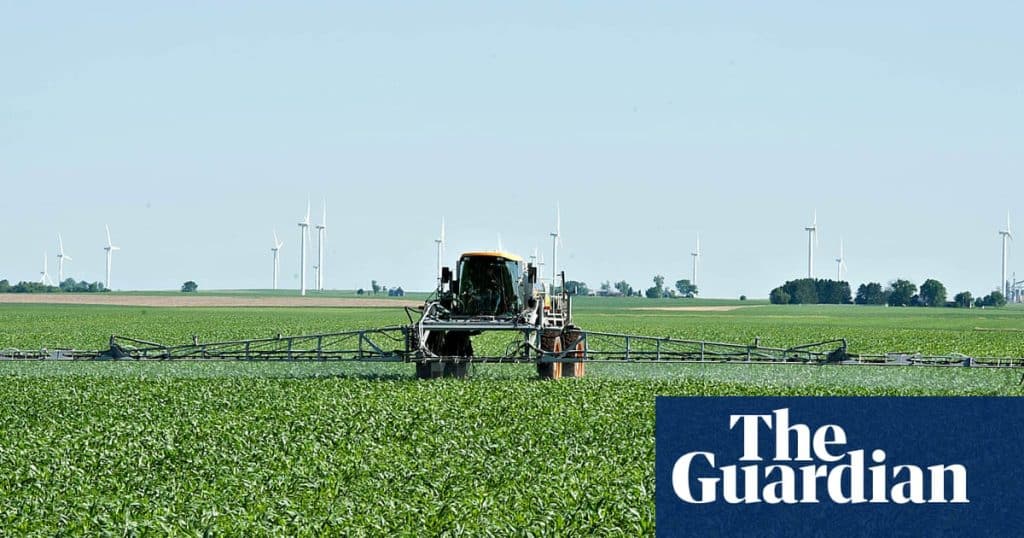
Rodney Bushmeyer, a farmer in Illinois, has seen the impact of rising fertilizer prices firsthand. His family-run Bushmeyer Farms, established over a century ago, now faces significant financial challenges. According to The Guardian, while prices for some fertilizers have doubled, grain commodity prices have dwindled, leading to a precarious situation for many farmers.
The ongoing US-Israel war against Iran has exacerbated the situation. The closure of the Strait of Hormuz, a vital route for fertilizer transportation, has caused a spike in prices just as US farmers prepare for the spring planting season. Matt Bennett, CEO of AgMarket, highlighted that farmers have been losing money for several years, making the current economic climate particularly dire.
The Middle East plays a crucial role in global fertilizer trade, with significant portions of urea and phosphate coming from the region. The US relies heavily on imports for its fertilizer needs, accounting for about 25% of its total usage. The price of nitrogen, a key component of fertilizers, has surged from $350 per ton in late December to around $600 by mid-March.
Farmers have been struggling with rising costs that often exceed their earnings from crop sales. Without federal subsidies, many would have faced severe financial losses in recent years. The USDA has forecast another year of reduced profits for farmers, further complicating their ability to sustain operations.
As fertilizer prices continue to climb, farmers may alter their planting decisions, potentially shifting from corn to soybeans, which require less fertilizer. The USDA’s upcoming survey on planting intentions could reveal significant changes in crop acreage, reflecting the growing uncertainty in the agricultural sector.