













Arabic version: مفاوضات الولايات المتحدة وإيران تثير التفاؤل في السوق وانخفاض أسعار النفط
The US stock market has been hovering near record highs as oil prices have plunged, driven by optimism surrounding a potential ceasefire deal between the United States and Iran. The market rally occurred on Wednesday, with investors hopeful that an agreement would soon be reached, allowing for the reopening of the vital Strait of Hormuz. This would alleviate concerns over oil and gas supply and provide a boost to the global economy, which has been grappling with uncertainty.
According to Al Jazeera, the price of US crude fell 5.5 percent to settle at $88.68, while Brent crude decreased to $92 after trading above $100 last week. Reports from Iran’s state broadcaster indicated that a preliminary document outlining a framework for a potential deal had been obtained, suggesting that traffic through the Strait of Hormuz could return to pre-war levels within 30 days and that the US would lift its naval blockade on Iranian ports.
Despite the White House dismissing the report as a “complete fabrication,” the stock market remained buoyant. The S&P 500 rose 0.1 percent and added to its all-time high set the day before, while the Dow Jones Industrial Average was up 243 points, or 0.5 percent. The Nasdaq composite also saw a slight increase of 0.1 percent. This rally is not unprecedented, as markets have previously surged on similar reports of a potential end to the conflict, only to falter when negotiations stalled.
President Donald Trump commented during a cabinet meeting on Wednesday that US officials were not yet fully satisfied with the agreement but expressed optimism about progress. He indicated that negotiations were moving forward, stating, “I think they’re starting to give us the things that they have to give us.”
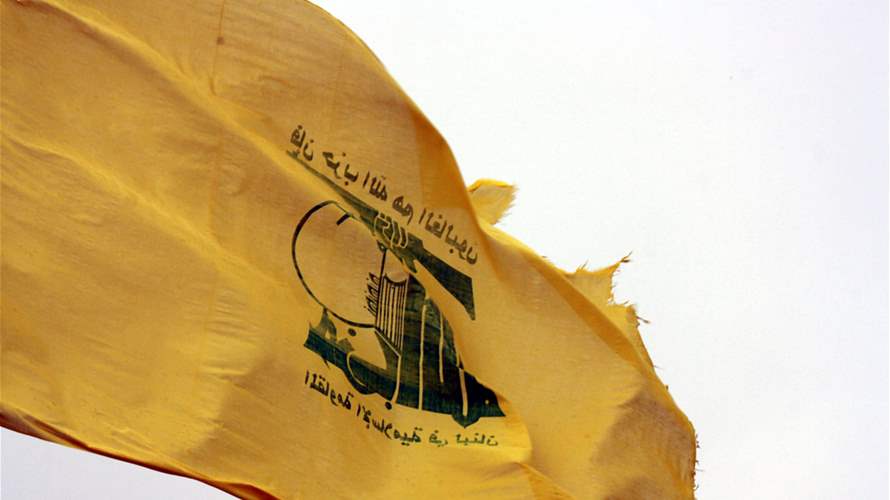
However, significant sticking points remain unresolved, including the status of about 440 kilogrammes (970lbs) of highly enriched uranium, Iran’s nuclear infrastructure, and its ballistic missile program. Additionally, the fate of hostilities in Lebanon is uncertain, with Iranian officials asserting that any agreement must address this issue, while Israeli Prime Minister Benjamin Netanyahu has ordered increased military action against Hezbollah. Questions also linger about whether the US will lift sanctions against Iran and release frozen assets as part of any potential deal.