












Arabic version: تأجيل محادثات السلام بين الولايات المتحدة وإيران بسبب تصاعد الهجمات الإسرائيلية في لبنان
The fragile United States-Iran peace agreement is hanging by a thread as Israel intensifies its military campaign in southern Lebanon, raising fears it could unravel before formal negotiations are completed. Following an Israeli bombing that resulted in the deaths of at least 18 people, US Vice President JD Vance has canceled his planned trip to Switzerland for peace negotiations, which were set to begin this week. According to Al Jazeera, Iran has also indicated that its negotiators are unwilling to participate until there are visible signs of the ceasefire agreement being implemented.
The agreement, which the US and Iran signed earlier this week, triggers a 60-day negotiation period for the two to reach a formal peace deal. However, Israel’s continued military operations in Lebanon have raised concerns that these talks may be derailed before they even begin. Analysts warn that the ongoing violence could thwart hopes for a resolution to the conflict in the region.
Israeli officials have made it clear that they do not intend to withdraw from Lebanon, which they currently occupy. Statements from Israeli ministers suggest a hardline stance, with one declaring that “all of Lebanon must burn.” This rhetoric poses a direct challenge to the terms of the US-Iran agreement, which emphasizes the need to maintain Lebanon’s territorial integrity and sovereignty.
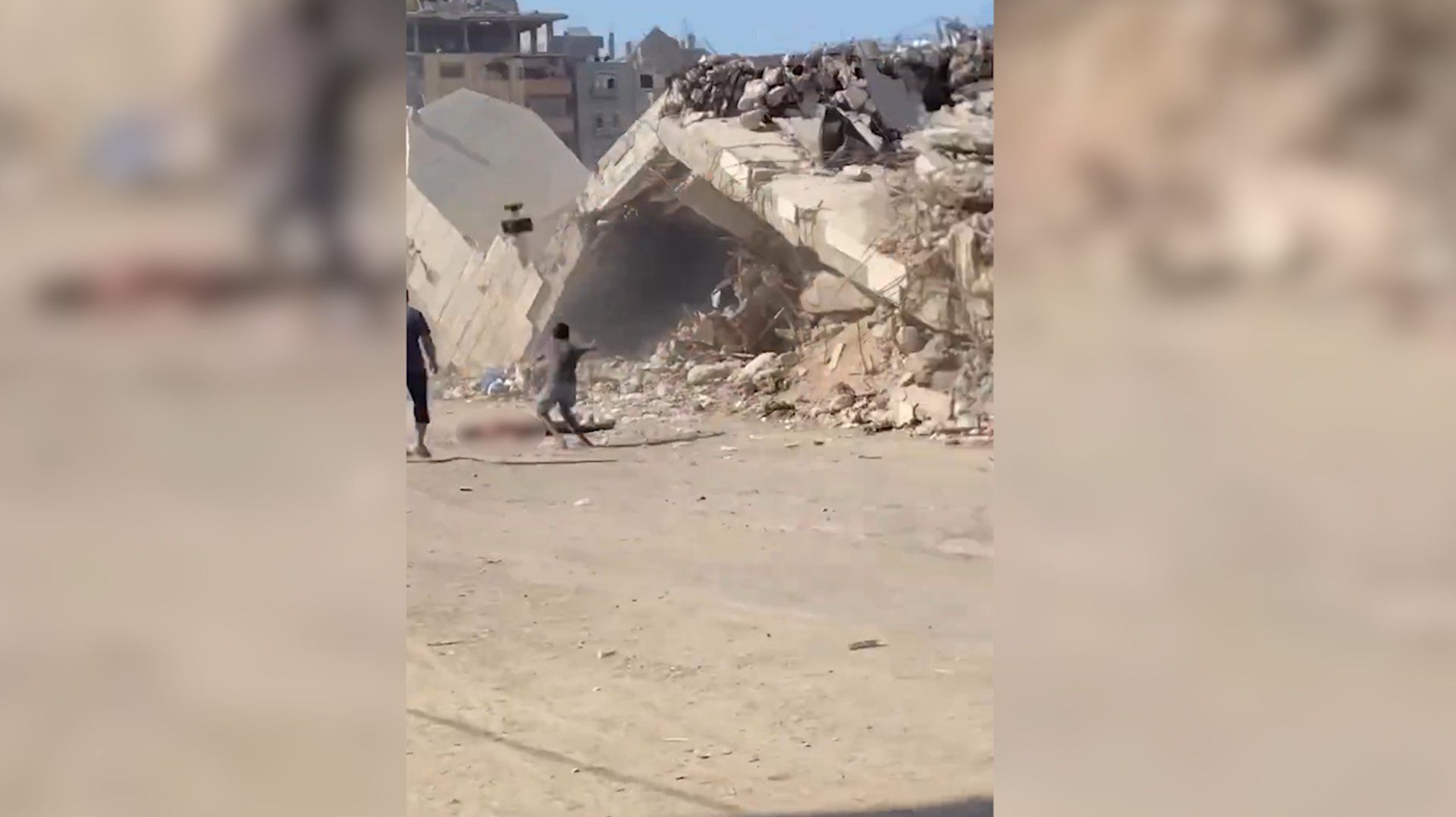
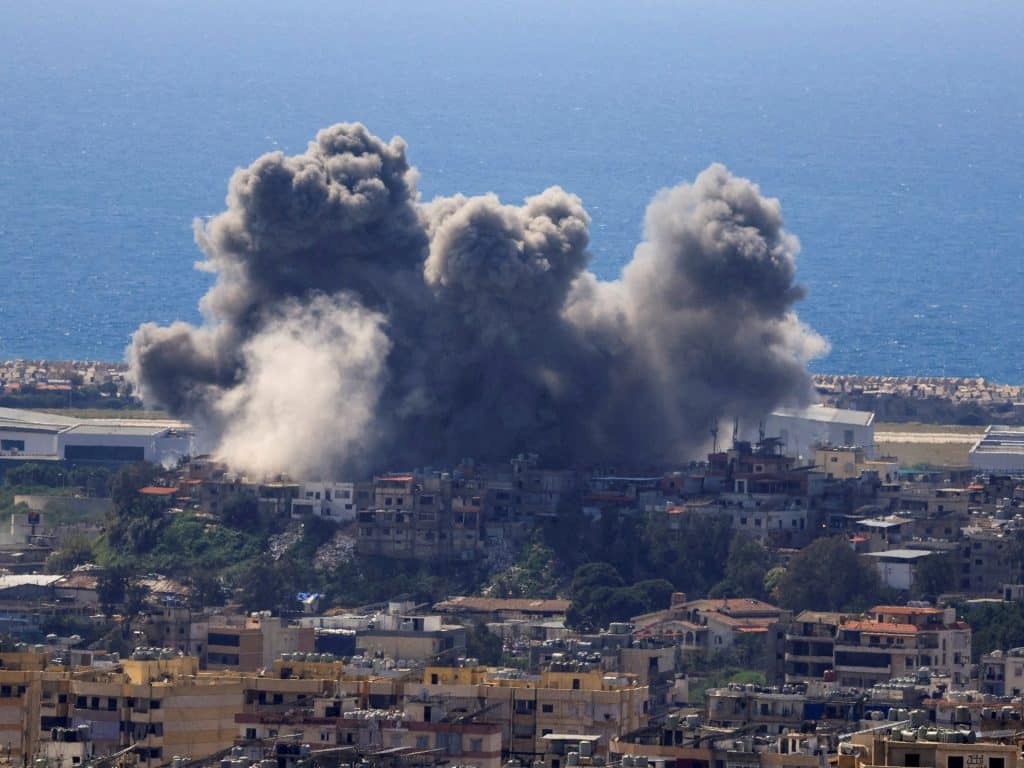
The situation in Lebanon has escalated dramatically, with Israeli bombardments resulting in widespread destruction and significant civilian casualties. The Israeli military has justified its actions as necessary responses to attacks from Hezbollah, the Iran-backed group operating within Lebanon. Despite the US-brokered ceasefire announced in April, violence has persisted, complicating the peace negotiation landscape.
The lack of clarity surrounding the implementation of the peace agreement, particularly regarding Lebanon, further complicates matters. The memorandum of understanding does not mention Israel, leading to uncertainty about how a ceasefire would be enforced or whether Iran would halt its support for Hezbollah. As the situation develops, both US and Iranian negotiators are left waiting for conditions to improve before resuming talks.