












Arabic version: الولايات المتحدة تستولي على سفينة إيرانية مع تصاعد التوترات في مضيق هرمز
On April 20, the United States fired at and then seized an Iranian-flagged container ship close to the Strait of Hormuz in the northern Arabian Sea, escalating tensions in the region. This incident mirrors events from the 1980s during the Tanker War between Iran and Iraq, where both nations targeted each other’s oil tankers to undermine their economies. According to Al Jazeera, the current situation has led to significant disruptions in shipping through the strait, critical for global oil supplies.
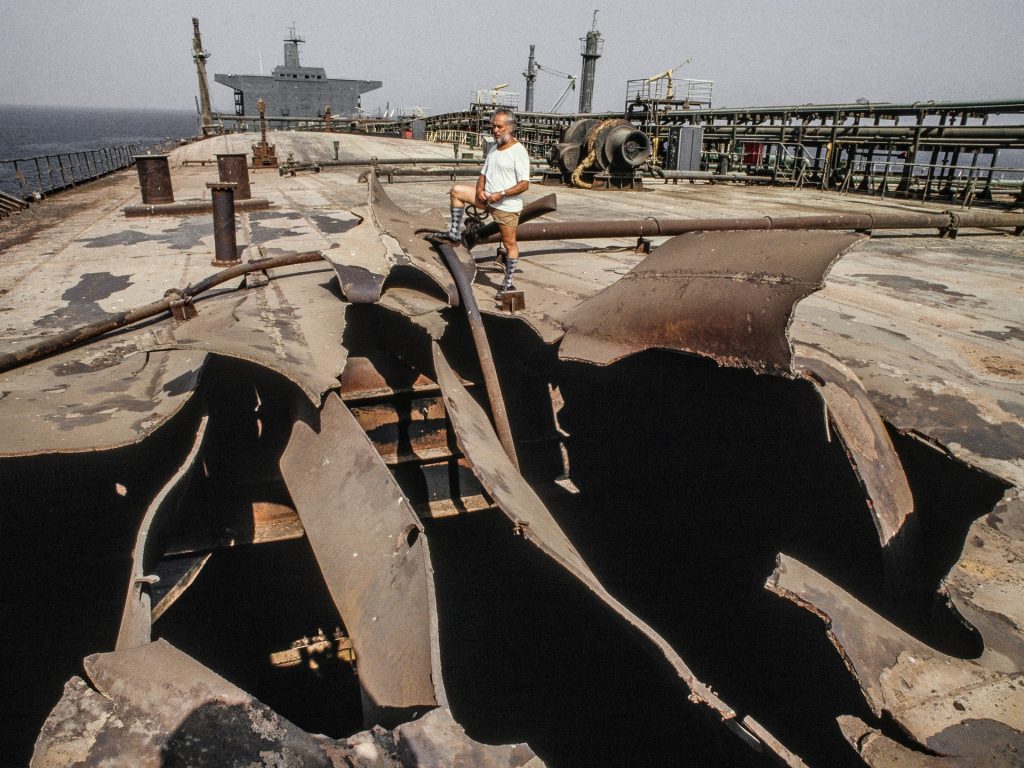
The historical context of the Tanker War reveals that Iraq initiated attacks on Iranian oil tankers in 1984, prompting Iran to retaliate against vessels belonging to Iraq and its allies. The United States intervened during this conflict, launching Operation Earnest Will to protect shipping lanes. The U.S. military’s involvement included reflagging Kuwaiti tankers for legal protection, which ultimately led to a series of confrontations at sea.
Currently, hostilities have reignited as Iran has asserted control over the Strait of Hormuz, impacting shipping routes and oil prices. Following the U.S. and Israel’s military actions against Iran, the Islamic Revolutionary Guard Corps (IRGC) declared that it was in full control of the strait, leading to a collapse in shipping traffic by 95%. Iran has allowed only “friendly” vessels to pass, further complicating international maritime operations.
In response to Iran’s actions, the U.S. imposed a naval blockade on Iranian ports, directing 33 Iran-linked vessels to turn around or return to an Iranian port. The Pentagon has stated its commitment to disrupt networks supporting Iran, emphasizing that international waters will not serve as a refuge for sanctioned vessels. As tensions continue to escalate, the situation in the Strait of Hormuz remains precarious, with the potential for further military confrontations between Iran and the United States.