











Arabic version: فانس وروبيو يظهران آراء متباينة حول سياسة إيران ولبنان
US President Donald Trump is facing backlash from pro-Israel politicians for his recent Memorandum of Understanding (MoU) with Iran. In response, Vice President JD Vance has defended the agreement, highlighting what he calls “good progress” and a “very good foundation” for a successful final deal. According to Al Jazeera, Vance’s comments come as the US and Iran have 60 days to finalize their agreement.
Vance, who led diplomatic talks with Iran in Switzerland, criticized Israel’s military tactics, suggesting that its approach to national security is counterproductive. He emphasized that the Israeli government should reconsider its military actions, particularly in light of the ongoing humanitarian crisis in Lebanon, where more than 4,000 people have been killed and 1.2 million displaced since March due to Israeli attacks.
In contrast, Secretary of State Marco Rubio has refrained from criticizing Israel, focusing instead on condemning the Iranian government. During his recent trip to the Gulf, Rubio reassured allies about US support while emphasizing the need for a strong stance against Iran. His comments included a warning about the Strait of Hormuz, a crucial global energy route, asserting that it should not be controlled by any single nation.
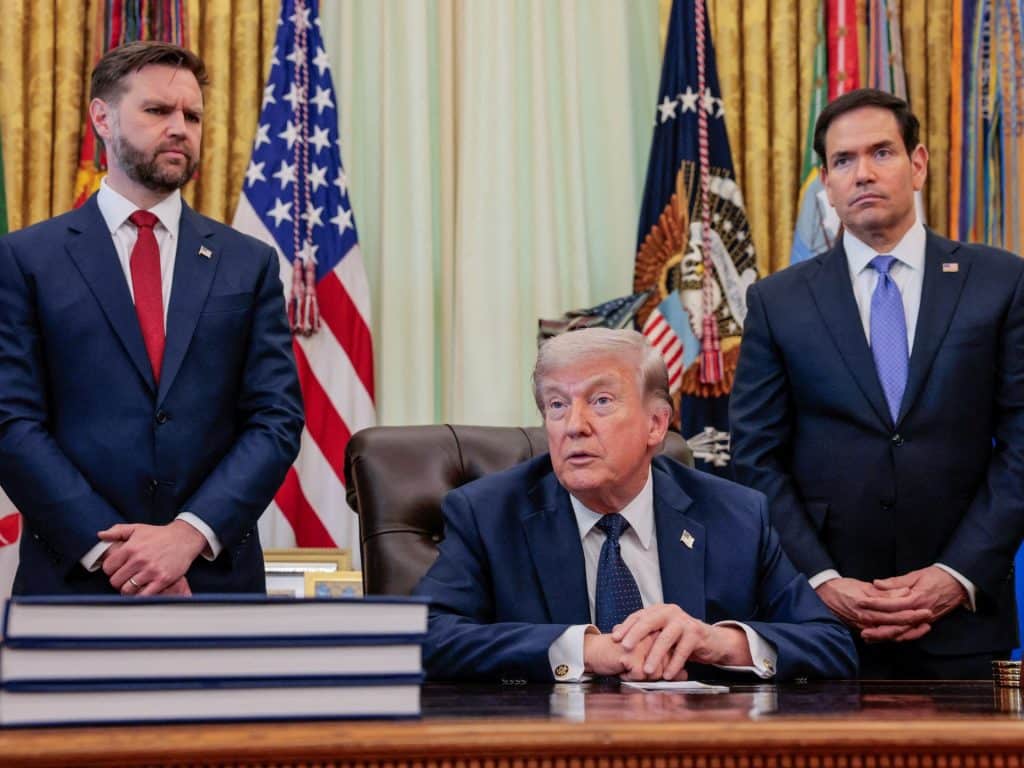
The differing approaches of Vance and Rubio have raised questions about potential divisions within the Trump administration. However, the White House has denied any discord, with officials asserting that both men are aligned with Trump’s foreign policy objectives. Rubio himself has downplayed any perceived differences, stating that both he and Vance are following the president’s lead on these issues.
This situation highlights the contrasting foreign policy perspectives within the Trump administration, with Vance advocating for a more diplomatic approach and Rubio supporting a more aggressive stance. As both figures are seen as potential successors to Trump, their differing views reflect broader tensions within the Republican Party regarding foreign intervention and relations with Iran and Israel.