












Arabic version: عائلة فيكتوريا تسعى للحصول على دعم حكومي لعلاج ورم نادر لابنها
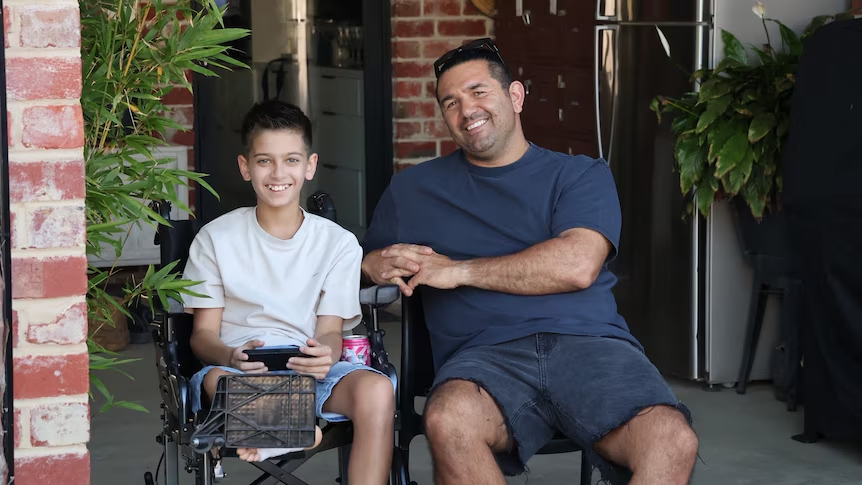
A Victorian family is urgently seeking federal government assistance for their 12-year-old son, Michele Dichiera, who is believed to be the only person in Australia diagnosed with the extremely rare and aggressive tumor known as giant cell angioblastoma. The family faces overwhelming medical expenses of approximately $9,500 each month for a trial medication that has not yet been proven effective.
According to ABC News, Michele’s condition has left him unable to bear weight on his leg, requiring the use of a wheelchair for school. The alternative to the trial medication, cabozantinib, is amputation of his foot, a prospect that deeply concerns both Michele and his family.
Michele’s mother, Raschelle Dichiera, described the emotional toll the situation has taken on their family, stating that the costs associated with the medication are “crazy” and that it is overwhelming to seek help. She highlighted the difficulty of managing appointments in Melbourne, nearly six hours away, while caring for other children.
The Royal Children’s Hospital in Melbourne is currently working to secure funding for Michele’s treatment, and the family has received some support, including a $10,000 grant from Mildura Base Public Hospital and a $2,000 donation from Wings4Kidz. Mallee MP Anne Webster has reached out to federal MP Mike Freelander to advocate for ministerial intervention, hoping that Health Minister Mark Butler will consider waiving the fee for the medication.
Dr. Webster emphasized the urgency of the situation, pointing out that Michele is just 12 years old and deserves access to the treatment that could significantly improve his quality of life. While the Department of Health confirmed that cabozantinib is available for some tumors on the Pharmaceutical Benefits Scheme, it is not currently listed for giant cell angioblastoma due to lack of approval from the Therapeutic Goods Administration.