













Arabic version: تزايد أزمة التشرد في واغا واغا ونقص المساكن
In Wagga Wagga, homelessness is escalating as individuals and families struggle to find shelter through a severe housing shortage. According to The Guardian, the situation has become dire, highlighted by a recent tragedy where a newborn baby died after being born in a tent along the riverbank.
Lincoln Curtis, a 23-year-old homeless man, expressed his frustration with the lack of housing, stating he has been on the social housing waitlist for two months but faces a wait of five to seven years. He currently seeks both employment and housing while residing in temporary accommodation after giving up his dog.
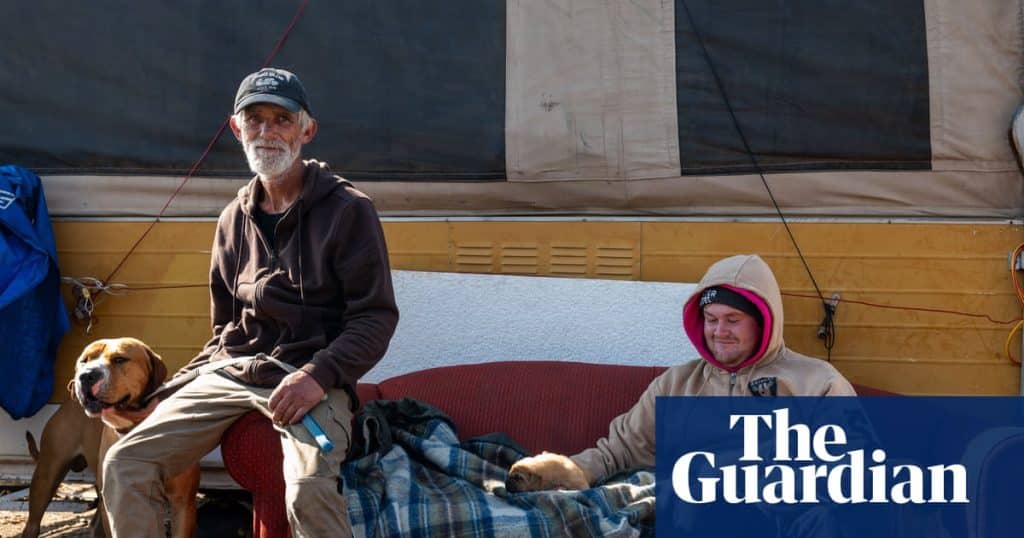
The encampments in Wagga Wagga are home to a diverse group of people, from single mothers to aged care nurses, all facing financial barriers in securing stable housing. John Bryce, another resident of the encampment, has been living in Wilks Park for more than a year and faces eviction threats due to his extended stay, as he struggles to find a place that accommodates his two dogs.
The Australian Housing and Urban Research Institute has noted that rough sleeping rates in regional areas are increasing at higher per-capita rates compared to urban centers. Michael Fotheringham from the institute indicated that while capital cities have more homeless individuals overall, rural areas face unique challenges, including overcrowding and a lack of available housing.
Local services are overwhelmed, with the Australian Institute of Health and Welfare reporting an increase in individuals turned away from support services. In Wagga, the two emergency accommodation shelters run by St Vincent de Paul remain at full capacity, and the demand for assistance continues to grow.
The rental market poses significant challenges for those on government payments, as the average rent far exceeds their incomes. The situation in the Riverina region is particularly bleak, with no affordable rentals available for individuals on jobseeker payments, and long wait times for social housing further complicate the crisis.