












Arabic version: لغة وورش في الاحتياطي الفيدرالي تؤجّج الجدل حول رفع الفائدة
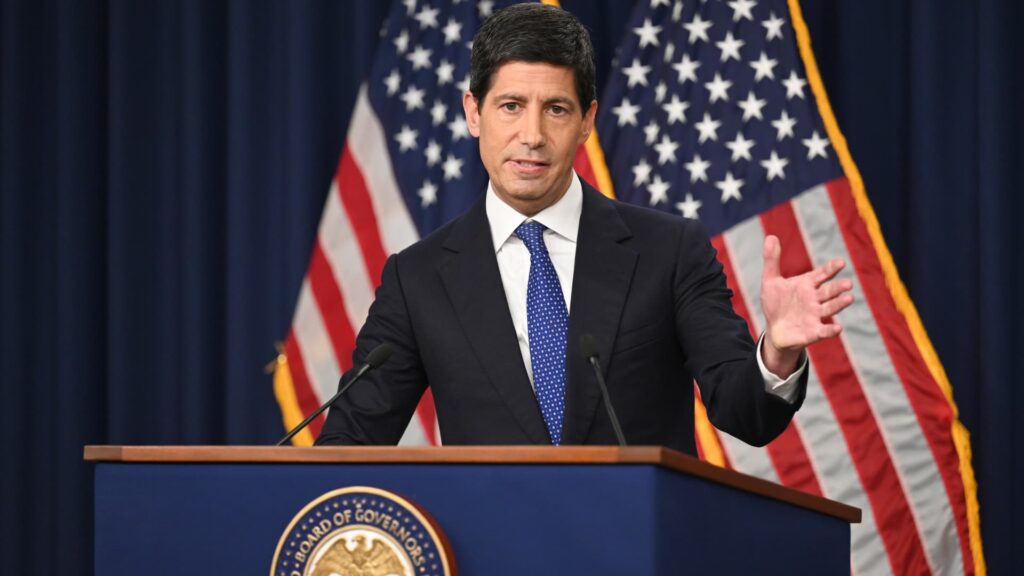
According to Cnbc, Federal Reserve Chairman Kevin Warsh described the central bank’s quarter-point rate increase this week as removing “a dose of accommodation,” prompting Wall Street to assess how many further increases may follow. Warsh said the move was possible because the U.S. economy appears to have “strengthened” and financial conditions have become less restrictive.
The Fed’s benchmark rate is now in a 3.75%-4% target range. Warsh’s wording has drawn attention because it differs from describing policy as simply tightening. Krishna Guha, head of economics and central bank strategy at Evercore ISI, called the phrase the “one stand-out hawkish element” of Warsh’s comments and said it raised the possibility of a more open-ended approach to the number of rate hikes required.
At his post-meeting news conference, Warsh rejected using the neutral rate as an operational guide for current decisions. Asked how far the current rate stood above neutral, he said the measure is “useful academically” and helps officials think about policy, but added: “Do I think it has any operational effect of decisions that we make today? No, I don’t.”
Markets have increased expectations for another increase when the Fed meets in October. Goldman Sachs added an October hike to its forecast, while Bank of America expects increases in October and December. CME Group’s FedWatch gauge put the market-implied odds of an October increase near 58% on Friday morning, compared with 42% a week earlier.
Futures imply a federal funds rate of 4.635% near the end of 2027, pointing to three or four additional hikes. James Egelhof, chief U.S. economist at BNP Paribas Securities, said the accommodation comment implies policy is meaningfully stimulative. However, Jack Janasiewicz of Natixis Investment Managers Solutions said he remained unconvinced that the decision marked the start of an aggressive new tightening cycle.