












Arabic version: ويست ستريتينغ يقترح ضريبة على الثروة وإصلاح ضريبة الأرباح الرأسمالية
Wes Streeting has unveiled a proposal for a wealth tax as part of his campaign for Labour leadership. He aims to equalize capital gains tax with income tax, which he estimates could generate £12 billion annually. According to BBC News, Streeting believes this reform would rectify an unfair system that penalizes work and incentivizes investment by offering lower capital gains tax rates for genuine entrepreneurs.
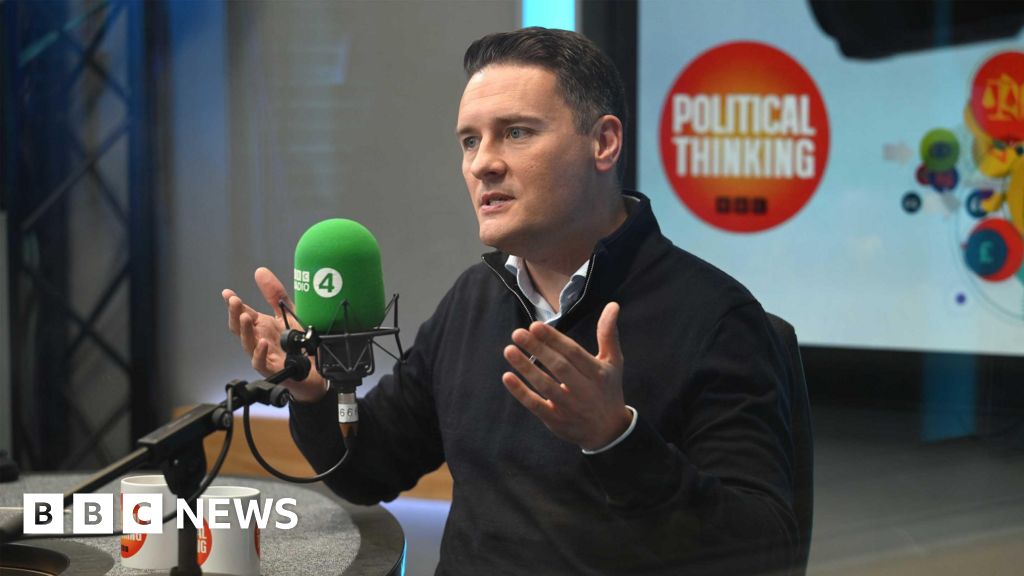
In his first extensive interview following his resignation as health secretary last week, Streeting expressed his intention to challenge current Labour leader Sir Keir Starmer. He stated that he communicated his plans directly to Starmer before stepping down, emphasizing the need for a government with clearer definition and vision. Streeting acknowledged that he would require support from 81 Labour MPs to initiate a leadership contest.
Streeting’s proposal includes aligning capital gains tax rates with income tax bands of 20%, 40%, and 45%, based on combined income and asset profits. He also seeks to close loopholes that enable individuals to misclassify income from work as capital gains. Additionally, he plans to offer reduced rates for entrepreneurs who take risks in building their businesses.
This policy differs from the Green Party’s wealth tax proposal, which suggests a 1% annual tax on assets exceeding £10 million and 2% on assets above £1 billion. In the same interview, Streeting discussed his views on Brexit, labeling the decision to leave the EU as a “catastrophic mistake” and asserting that the UK should eventually consider rejoining the bloc, contingent on the public’s settled will.
Streeting also addressed the appointment of Lord Peter Mandelson as the UK ambassador to the US, stating he would not have made that appointment given the circumstances surrounding Mandelson’s previous dismissal. He criticized Mandelson’s actions and suggested he has no future in public life. Streeting’s proposals and statements signal a significant shift in Labour’s approach to taxation and leadership dynamics.