













Arabic version: برنامج الأغذية العالمي يسعى لتوسيع المساعدات للنازحين في الأبيض
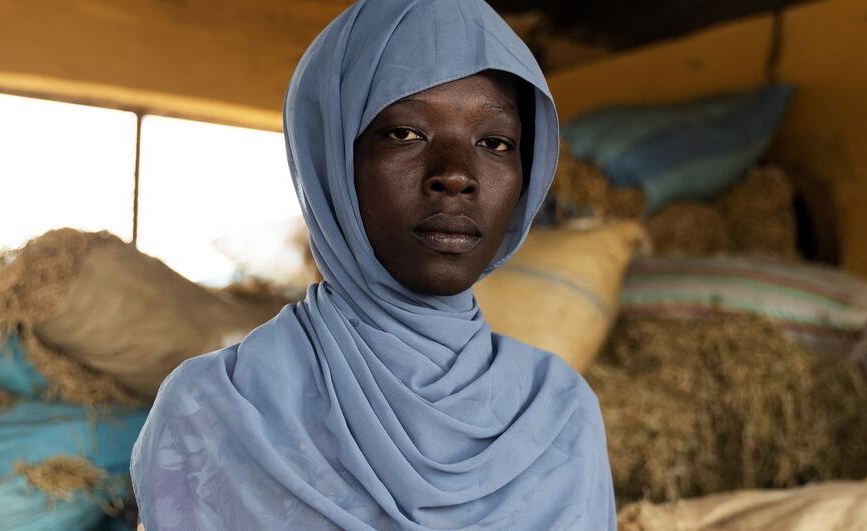
UN humanitarians report rapidly growing needs among displaced people sheltering in El Obeid. According to Allafrica, more than 100,000 internally displaced people are now living in camps inside the city and face worsening hunger.
The World Food Programme (WFP) has been providing food assistance to over 100,000 people in those camps and nutrition support to 17,000 children. WFP Sudan Country Director Abdallah Alwardat said rations have been reduced and are being shared among families: “We are providing even not the full food ration to the people, but even that reduced food ration is being shared by the recipients with other families, because they know that they don’t have any other source of income.”
Mr. Alwardat said the agency has access and the capacity to deliver, but that resources are limiting its ability to scale up support. He said WFP has managed recent deliveries and pre-positioned food for the next two months, and that distributions for July have started with plans to be ready for August.
He described how an elderly woman relied entirely on the agency’s rations and struggled to transport them, looking for others who could share the cost of moving the food on a small tuk-tuk. On the hours-long drive from Kosti to El Obeid, some 350 to 400 kilometres, Mr. Alwardat said he did not see military operations, but noted how few commercial trucks or supplies were heading to the city and that WFP’s mission helped to alleviate fuel shortages that had prevented aid deliveries.
The situation is part of a wider crisis: it is more than three years since the conflict began after the overthrow of longtime President Omar al-Bashir, and the Sudanese Armed Forces and the Rapid Support Forces continue to fight. UN human rights chief Volker Türk has warned that civilians have been under siege for 18 months and face continuous drone strikes ahead of a possible offensive by paramilitaries. More than 14 million people have been uprooted, almost 20 million are classified as acutely food insecure, and WFP helps between three and five million of the most vulnerable who face emergency or catastrophic food insecurity. Fuel, water and food remain in very short supply in and around El Obeid, and funding shortages are constraining life-saving assistance.
WFP is seeking additional financial support to plan for a scale-up beyond the current caseload and to sustain deliveries for the coming months.
Related sections: Arab | North Africa/شمال إفريقيا | General | World/العالم