












Arabic version: تقرير منظمة الصحة العالمية يسلط الضوء على الفجوات العالمية في الوصول إلى رعاية السرطان
A new report from the World Health Organization (WHO) reveals alarming inequities in cancer care, particularly affecting poorer countries. Despite significant scientific advancements in cancer treatment, millions of patients worldwide continue to face dire consequences due to inadequate access to prevention, diagnosis, and treatment. According to The Guardian, one in five individuals will develop cancer, impacting nearly everyone through personal or familial connections.
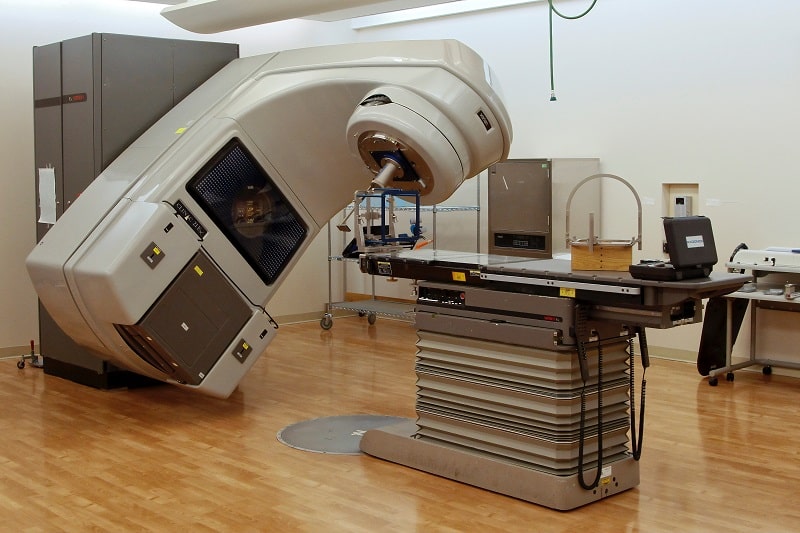
The WHO’s global status report indicates that survival rates for breast and childhood cancers in wealthier nations are as high as 85%, while in poorer countries, this figure drops to less than 30%. The report highlights that access to essential cancer medications in low- and lower-middle-income countries ranges from only 9% to 54%, compared to 68% to 94% in high-income nations. Furthermore, 23 countries lack radiation facilities entirely.
Diagnosis rates in sub-Saharan Africa are notably lower than in affluent regions, leading to disproportionately high cancer mortality rates. The report also states that two-thirds of countries do not cover cancer in universal health coverage packages, with high costs forcing up to 90% of patients in some areas to forgo necessary care.
Abigail Simon-Hart, a breast cancer survivor from Nigeria, shared the heartbreaking choices families face, often prioritizing educational expenses over medical treatment. She noted the severe stigma surrounding cancer can lead individuals to refuse life-saving procedures. Despite these challenges, the report also points out positive developments, including the potential for cervical cancer elimination and a decrease in tobacco use.
Experts urge the global community to prioritize comprehensive cancer care, advocating for increased funding to support services from prevention through treatment. Dr. Isabelle Soerjomataram from the International Agency for Research on Cancer emphasized that many new cancer cases are linked to preventable risk factors, reinforcing the need for proactive measures in public health strategies.