













Arabic version: مشروع قانون وايدن يسعى إلى تقييد صلاحيات ترامب في فرض الرسوم الجمركية
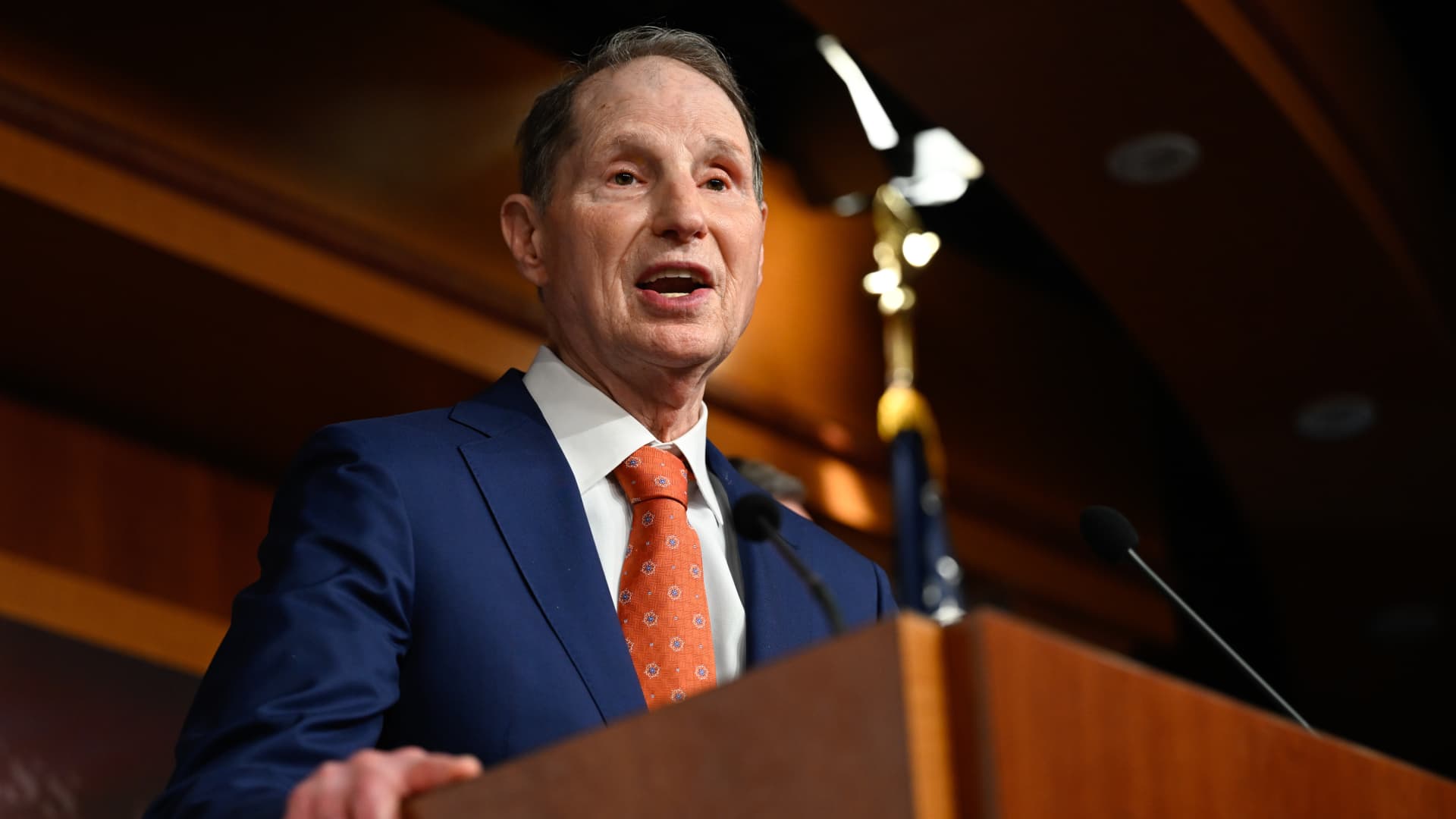
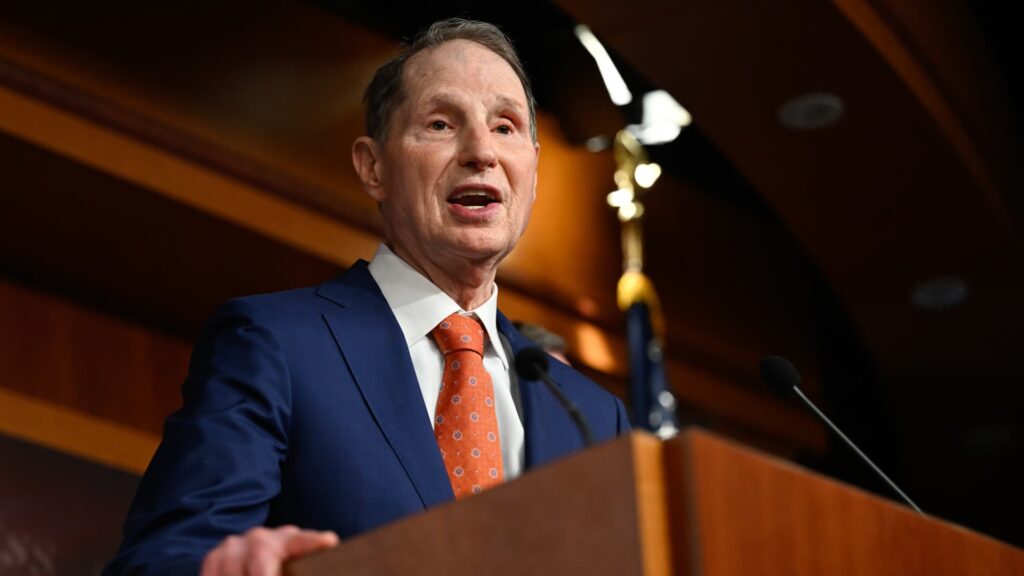
According to Cnbc, Sen. Ron Wyden, D-Ore., introduced legislation designed to curb President Donald Trump’s broad authority to impose tariffs and expand Congress’s role in trade decisions. The proposal, called the Congressional Trade Powers Reform Act of 2026, would remove some presidential tariff tools and require congressional approval for others.
Wyden announced the bill after criticizing Trump’s plan for 50% retaliatory tariffs on a wide range of Canadian goods. Trump cited Section 338 of the Tariff Act of 1930, a law that Wyden said has rarely, if ever, been invoked. Wyden said Trump had used trade authorities to impose unilateral tariffs on products from a close U.S. ally and trading partner.
The legislation would require congressional approval for tariffs proposed under Sections 301, 201 and 232. Section 301 of the Trade Act of 1974 allows tariffs in response to foreign trade practices deemed unfair to the United States. Section 201 allows tariffs when the U.S. International Trade Commission finds surging imports seriously threaten a domestic industry. Section 232 of the Trade Expansion Act of 1962 permits tariffs on national-security grounds.
Wyden’s bill would eliminate Section 122 of the 1974 trade law, which grants tariff authority in international-payments matters, and Section 338, which allows tariffs of up to 50% on goods from countries found to discriminate against the United States. It would also create a Joint Committee on Tariffs and Trade, composed of five members each from the Senate Finance Committee and House Ways and Means Committee, to review presidential tariff proposals.
The committee would have up to 30 days to decide whether to recommend that Congress vote on a joint resolution. The bill would also make the Office of the U.S. Trade Representative an agency outside the Executive Office of the President and establish an inspector general there. The measure faces long odds in a Republican-controlled Congress, and Trump could veto it if it passed. The White House did not immediately respond to a request for comment.