












Arabic version: يارا با تطلق برنامج رعاية سرطان بقيمة 2.3 مليون دولار للسكان
A new cancer care program has been launched in Yarrabah, aimed at empowering residents undergoing treatment. The $2.3 million initiative is tailored to the unique needs of the community, which faces socio-economic challenges that significantly impact health outcomes. According to ABC News, the program focuses on improving cultural safety for Indigenous cancer patients.
Colin Costello, a local cancer survivor, expressed gratitude for the support he received during his treatment. Previously, he had to leave Yarrabah for seven months at a time while receiving care in Cairns, but the new program aims to change that by providing essential services closer to home. Community members hope it will facilitate better cancer detection and outcomes.
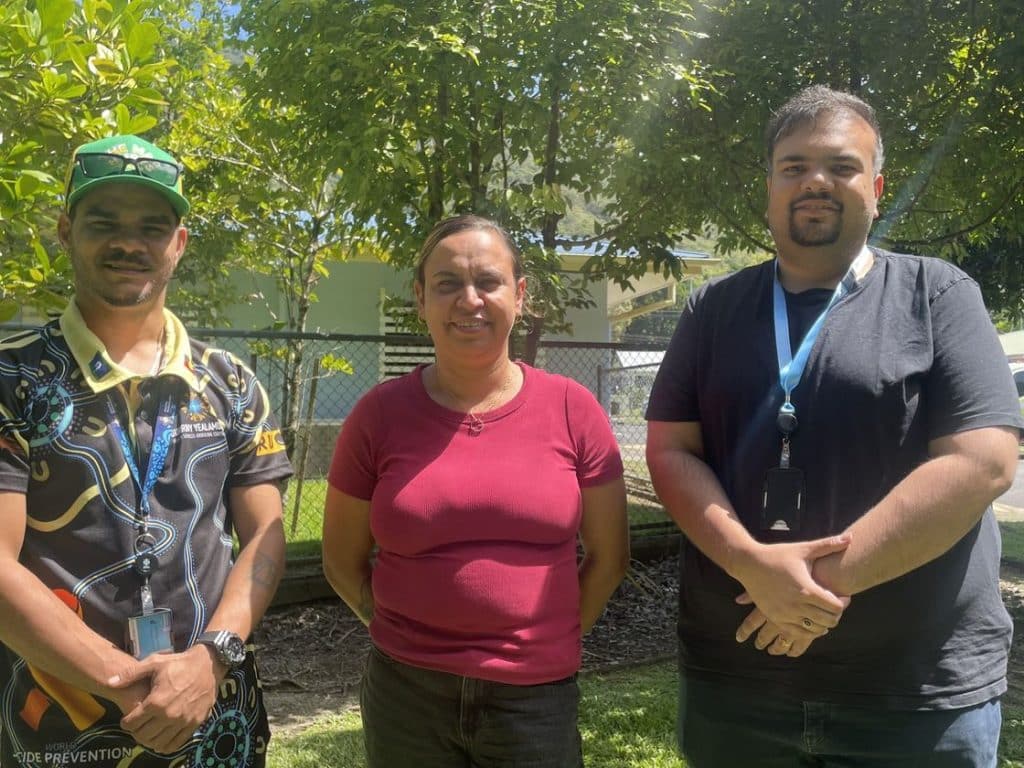
Chanten Lefoe, one of two newly appointed local cancer care support officers, emphasized the program’s role in alleviating the burden of a cancer diagnosis. His responsibilities include transporting patients to appointments and translating medical information, ensuring that residents can access care without the added stress of travel.
The program is managed by the Gurriny Yealamucka Health Services Aboriginal Corporation (GYHSAC) and is funded by the National Aboriginal Community Controlled Health Organisation. Jason King, GYHSAC’s head of clinical services, highlighted that the initiative will transform how Yarrabah residents interact and live with cancer in the community, promoting a sense of ownership and empowerment in their healthcare.
Health promotion efforts within the program also aim to prevent cancer through culturally safe education. Dr. King pointed out that many residents have a long-standing fear of the health system, which can lead to late cancer detection. By addressing these cultural barriers, the program seeks to improve health outcomes in Yarrabah, ranked as one of Australia’s most socio-economically disadvantaged communities.