













Arabic version: اليمن يواجه مخاوف متجددة من العنف مع اقتراب رمضان
As Ramadan approaches, Yemenis are grappling with heightened fears of renewed violence amidst escalating tensions involving the Houthis and the United States. Last year, a devastating airstrike during Ramadan left lasting scars on the capital, Sanaa, where civilians are now anxious about a repeat of such horrors. According to Al Jazeera, residents like Ahmed Abdu vividly remember the chaos of the previous Ramadan, when an airstrike injured nine civilians and shattered their sense of security.
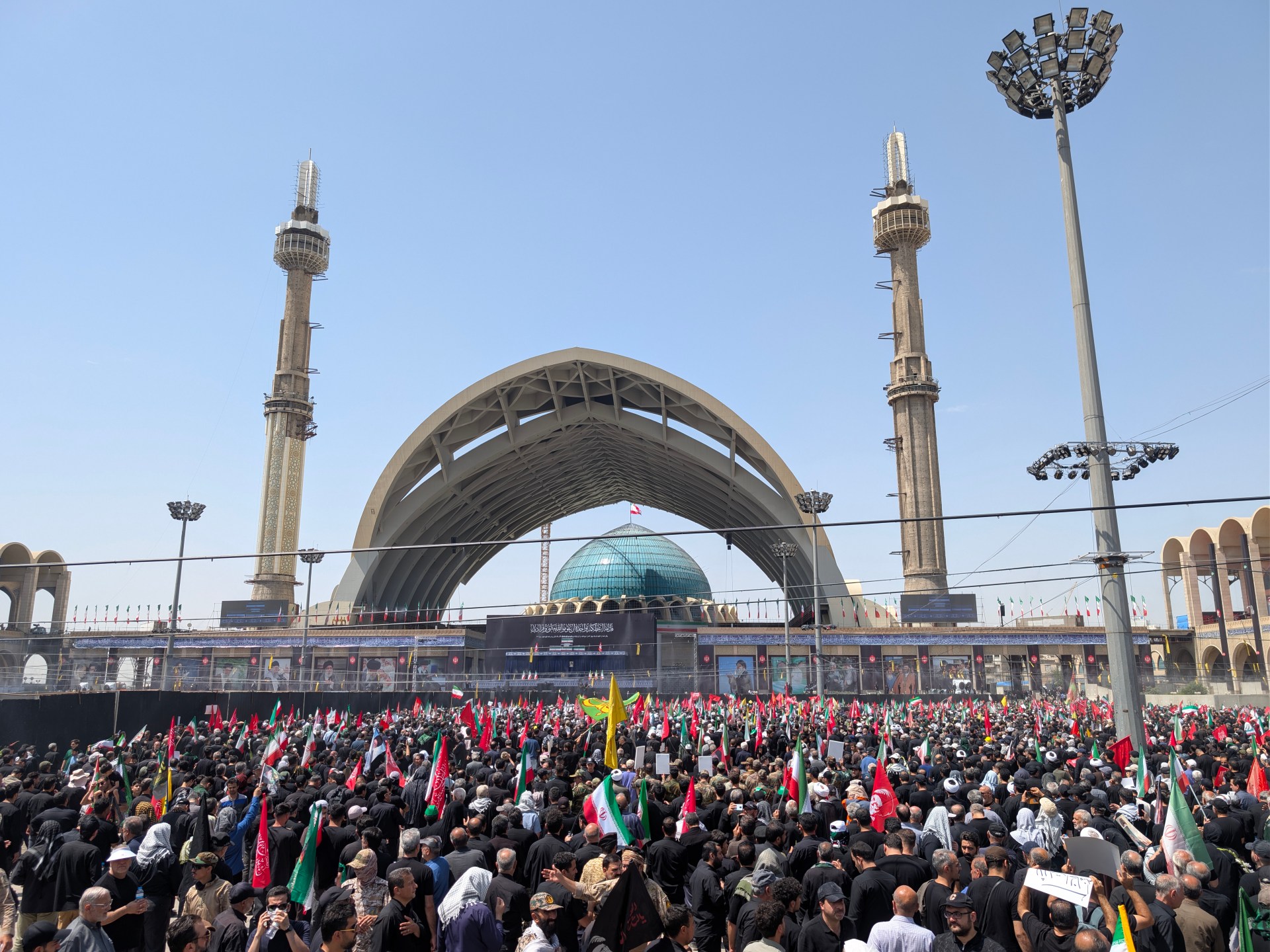
The Houthis, who control northwest Yemen, have recently staged protests in Sanaa, signaling their readiness to confront perceived threats from the US and its allies. The protests were framed as a show of solidarity with Iran and Hezbollah, indicating the Houthis’ willingness to act in defense of their allies. Houthi leaders, including Mohammed al-Bukhaiti, have issued stern warnings against US military actions in the region, suggesting that any aggression would lead to broader conflict.
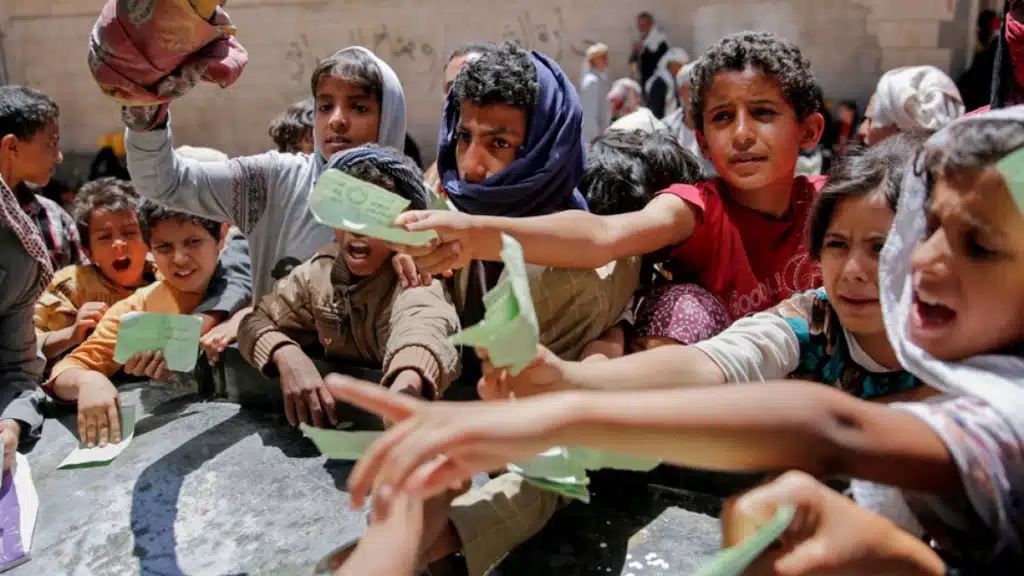
Civilians in Yemen are caught in the crossfire of these geopolitical tensions. Many, like Faisal Abdulkareem, recall traumatic experiences from last year’s Ramadan, when airstrikes disrupted their lives and instilled fear. Faisal described the moment an explosion shattered the tranquility of his home, leaving him and his neighbors in shock. Such memories fuel concerns that the upcoming Ramadan may not offer respite from violence.
The rhetoric from Houthi leaders emphasizes a commitment to solidarity with Iran, which some civilians view as a dangerous gamble. Law student Ammar Ahmed expressed concern that the Houthis’ defiance could provoke further US military action, exacerbating the already dire situation for ordinary Yemenis. He argued that prioritizing peace in Yemen is crucial, as the consequences of Houthi involvement in regional conflicts could spell disaster for civilians.
Experts warn that the ongoing tensions may lead to renewed military operations against the Houthis by anti-Houthi forces, particularly if the group continues to align itself with Iran. Abulsalam Mohammed, head of the Yemeni Abaad Studies and Research Center, indicated that the Houthis’ actions could trigger a more aggressive response from the Yemeni government and its allies, potentially escalating the conflict further.
As the holy month of Ramadan approaches, the people of Yemen remain in a state of anxiety, hoping for peace but bracing for the possibility of violence. The need for a comprehensive political settlement is more urgent than ever, as the UN’s special envoy to Yemen has emphasized that stability cannot be achieved without addressing the broader conflict.