النسخة الإنجليزية: Hebron Under Israeli Lockdown Amid Wider West Bank Annexation Plans
تم وضع مدينة الخليل، الواقعة في جنوب الضفة الغربية، تحت إغلاق صارم من قبل السلطات الإسرائيلية كجزء من الخطط المستمرة للضم في المنطقة. يأتي الإغلاق وسط تصاعد التوترات وزيادة العنف في الضفة الغربية، مما يثير القلق بين السكان المحليين والمراقبين الدوليين على حد سواء.
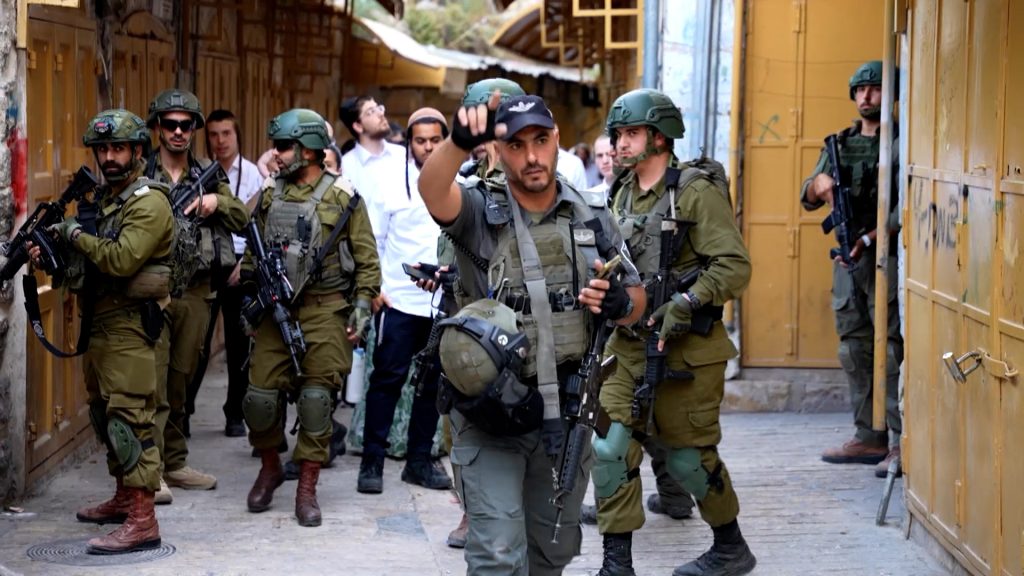
أعلنت القوات العسكرية الإسرائيلية عن تدابير الإغلاق، التي تشمل نقاط تفتيش وقيود على الحركة، مستشهدة بأسباب أمنية بعد الاشتباكات الأخيرة في المنطقة. أعرب سكان الخليل، المدينة التي تضم عددًا كبيرًا من السكان الفلسطينيين وعددًا قليلاً من المستوطنين الإسرائيليين، عن إحباطهم وخوفهم حيث يزيد الإغلاق من صعوباتهم اليومية.
أدان القادة المحليون ومنظمات حقوق الإنسان الإغلاق، arguing that it represents a further erosion of rights and freedoms for Palestinians living in the West Bank. They claim that such measures are part of a broader strategy by the Israeli government to consolidate control over the territory and expand settlements, which are considered illegal under international law.
The situation in Hebron mirrors a wider trend in the West Bank, where Israeli authorities have been advancing plans for annexation and settlement expansion. The Israeli government has faced international criticism for its policies in the occupied territories, with many calling for a return to negotiations aimed at achieving a two-state solution.
As the lockdown continues, residents of Hebron are finding it increasingly difficult to access essential services, including healthcare and education. Many families are reporting shortages of food and other necessities, leading to growing unrest in the city.
International observers have urged both sides to exercise restraint and engage in dialogue to address the underlying issues fueling the conflict. However, with ongoing tensions and the prospect of further annexation, the future of Hebron and the wider West Bank remains uncertain.
In response to the situation, local Palestinian leaders have called for solidarity from the international community to help alleviate the humanitarian crisis and to push for an end to the occupation. They emphasize that without intervention, the cycle of violence and repression is likely to continue, further entrenching divisions and suffering in the region.