











Arabic version: الولايات المتحدة تستعد لنشر حاملة طائرات أخرى في الشرق الأوسط وسط تصاعد التوترات
The United States is reportedly preparing to deploy another aircraft carrier to the Middle East as tensions continue to escalate in the region. This decision comes in the wake of ongoing hostilities and potential threats that have raised concerns among U.S. officials and allies alike. The deployment is seen as a measure to bolster the U.S. military presence and deter any aggressive actions from adversarial nations.
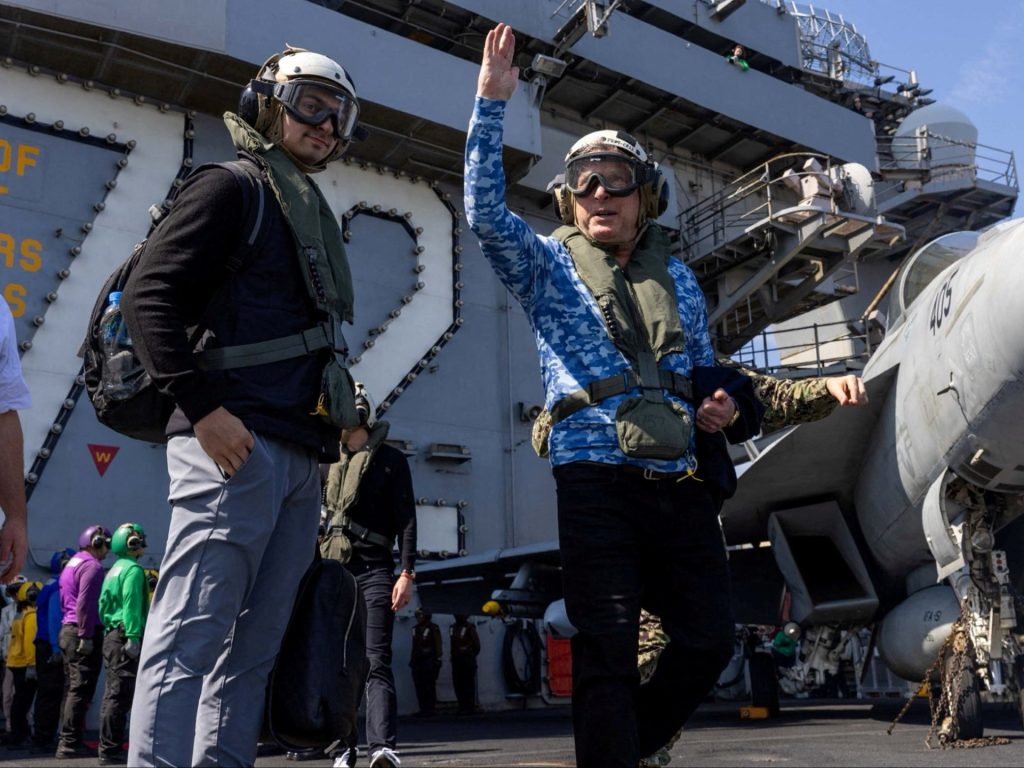
According to sources within the Pentagon, the USS Dwight D. Eisenhower is being readied for deployment, joining other naval assets already stationed in the area. This move underscores the U.S. commitment to maintaining stability and security in the Middle East, particularly in light of recent incidents involving Iranian forces and their proxies.
Former President Donald Trump, who has been vocal about his views on military strategy, expressed support for the decision, emphasizing the importance of a strong military presence to protect U.S. interests. “We cannot afford to show weakness, especially in a volatile region like the Middle East,” Trump remarked in a recent interview.
The U.S. Navy has been actively involved in the region for decades, but the current geopolitical climate has prompted a reassessment of military deployments. With the rise of drone warfare and asymmetric tactics employed by adversaries, the U.S. aims to adapt its strategies to counter potential threats effectively.
Military analysts suggest that the deployment of the USS Dwight D. Eisenhower could serve multiple purposes, including conducting air operations, supporting ground forces, and providing humanitarian assistance if necessary. Moreover, it sends a clear message to both allies and adversaries about the U.S. readiness to respond to any crisis.
In recent months, there have been reports of increased provocations from Iranian forces, including attacks on shipping vessels in the Strait of Hormuz, a critical chokepoint for global oil supplies. The U.S. has condemned these actions and warned Iran against further escalations.
As the situation unfolds, the deployment of the aircraft carrier is likely to be closely monitored by both regional powers and global observers. The U.S. military’s ability to project power in the region remains a key component of its foreign policy, and this latest move is indicative of the ongoing commitment to ensuring peace and stability in the Middle East.
In conclusion, the preparation for deploying another aircraft carrier to the Middle East reflects the United States’ strategic priorities amidst rising tensions. As military assets are mobilized, the world watches closely to see how these developments will impact the already complex dynamics of the region.