












Arabic version: الولايات المتحدة تعترف بدورها في نقص الدولار الذي أدى إلى احتجاجات في إيران
In a surprising revelation, U.S. officials have admitted that their policies contributed to a significant dollar shortage in Iran, which has been linked to widespread protests across the country. The U.S. government’s actions, primarily through sanctions and economic pressure, have created an environment where access to U.S. dollars has become increasingly difficult for Iranian citizens and businesses.
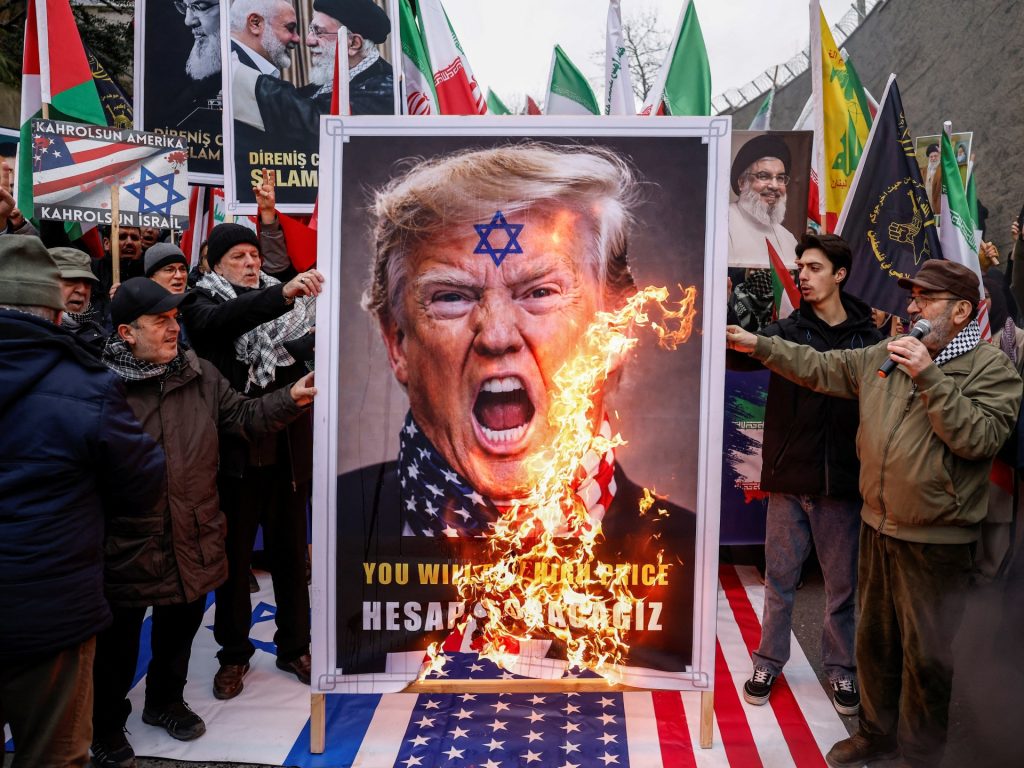
The dollar is a critical currency for international trade, and its scarcity in Iran has led to skyrocketing inflation and a deepening economic crisis. Many Iranians have taken to the streets to express their frustrations over the rising cost of living and the government’s inability to manage the economy effectively. Protesters are demanding not only economic reforms but also greater political freedoms.
The U.S. State Department’s acknowledgment has sparked a debate about the ethical implications of using economic sanctions as a tool for political change. Critics argue that while the intention may be to pressure the Iranian government, the consequences often disproportionately affect ordinary citizens. The situation has raised questions about the effectiveness of such measures in achieving long-term political goals.
In recent months, the Iranian rial has plummeted in value, leading to an increase in the prices of basic goods and services. Many families are struggling to make ends meet, and the economic instability has fueled discontent among the population. The protests have been met with a heavy-handed response from the Iranian authorities, further escalating tensions between the government and its citizens.
The U.S. has long maintained a position of opposition to the Iranian regime, citing its human rights abuses and support for militant groups in the region. However, the recent admission has led to calls for a reassessment of the strategy being employed. Some analysts suggest that engaging in dialogue with Iran, rather than solely relying on punitive measures, may yield more productive results in promoting change.
As the situation continues to unfold, the international community is watching closely. The potential for further unrest in Iran could have ripple effects across the Middle East, impacting regional stability and U.S. foreign policy.
With the Iranian government facing mounting pressure from both its citizens and international actors, the coming weeks will be crucial in determining the future of the country and its relationship with the United States. The ongoing protests and economic challenges highlight the complex interplay between foreign policy, economic sanctions, and the lived experiences of ordinary people in Iran.