













Arabic version: اليابان تخفف قيود تصدير الأسلحة، وتغير سياسة الدفاع
According to BBC News,
Japan has relaxed decades-old restrictions on its arms exports, clearing the way for it to sell weapons to more than a dozen countries, including the US and the UK, as part of a broader strategy to enhance its security posture in an increasingly volatile region.
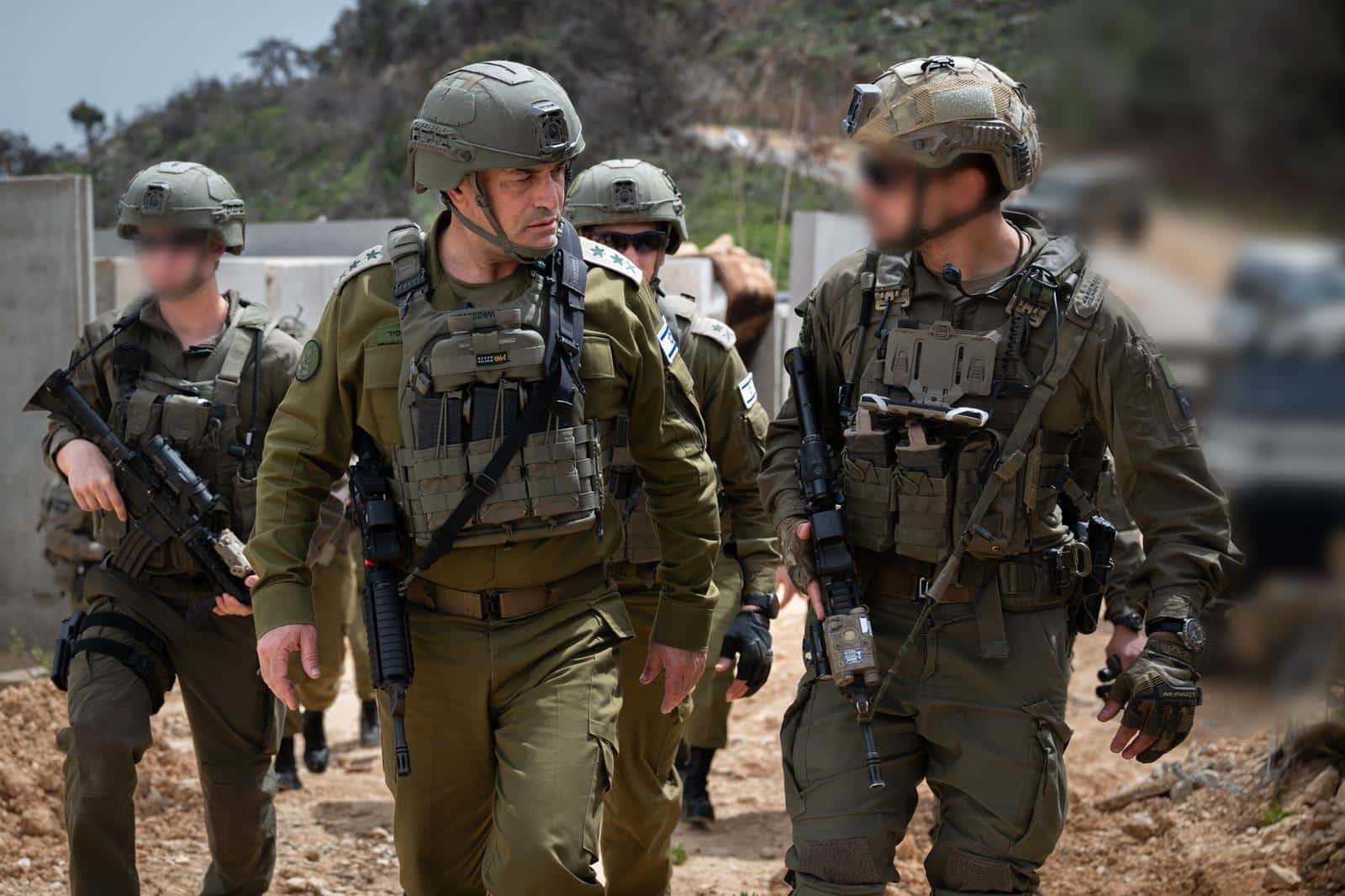
The announcement on Tuesday marks a milestone in Tokyo’s shift away from the pacifism that has characterised its post-war defence policy. The new policy comes as Japan’s Self-Defence Forces participate in joint military exercises with the US and the Philippines, marking their first involvement as combatants rather than observers. This shift is viewed by some as a response to regional tensions, particularly concerning China’s military assertiveness in the region. While Japan maintains a ban on arms sales to countries engaged in conflict, exceptions may be made under “special circumstances,” according to officials.
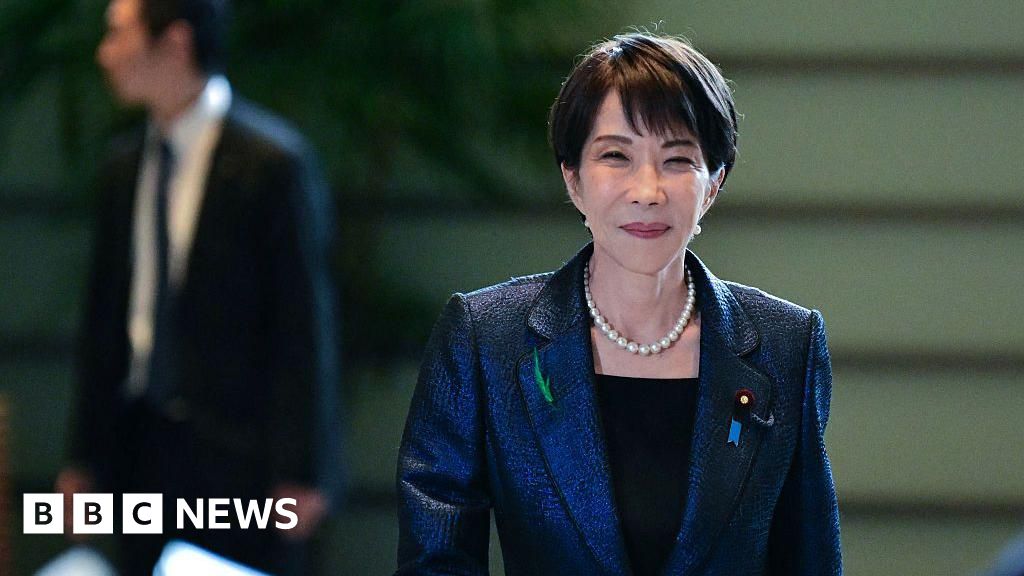
Prime Minister Sanae Takaichi emphasized that Japan remains committed to its principles as a peace-loving nation, despite the policy shift. She stated that the new approach will involve careful assessments of arms transfers. Chief Cabinet Secretary Minoru Kihara reiterated that this move aims to enhance Japan’s security and contribute to regional stability.
China has expressed strong opposition to Japan’s revised military stance, labeling it as “reckless militarization” and asserting that it will remain vigilant in response. The tensions surrounding Japan’s defense policy come as historical grievances linger, particularly with South Korea, which has urged Japan to uphold its pacifist constitution while contributing to peace in the region.
The evolution of Japan’s defense posture reflects a growing recognition of changing security dynamics, with calls for constitutional reform gaining traction. Critics, however, caution that these developments could lead Japan towards a more militarized future, raising concerns about its potential involvement in international conflicts.