














Arabic version: الدعوة للوصول إلى خدمات الصحة عن بُعد في عملية الموت بمساعدة طوعية
Patients and families are calling for changes to laws that prevent telehealth from being used in the voluntary assisted dying (VAD) process. VAD has been legal in Victoria since June 2019, but federal legislation prohibits doctors from using telehealth, complicating access for those in regional areas. According to ABC News, a bill has been reintroduced in parliament seeking to amend this legislation.
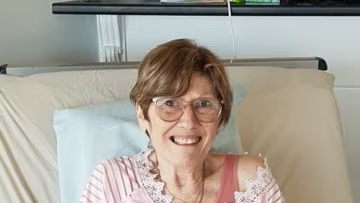
The case of Sue Collins, who died within nine weeks of being diagnosed with motor neurone disease, highlights the difficulties faced by patients in accessing VAD. Her husband, Ken Collins, expressed frustration over the obstacles they encountered in securing timely appointments with specialists, which ultimately delayed Sue’s ability to make her end-of-life choices. “It takes away your dignity,” Ken stated, reflecting on the challenges they faced as regional residents.
Currently, VAD patients must have two face-to-face consultations with trained medical practitioners and submit a written request for assistance. However, the federal criminal law’s ban on telehealth means that patients like Sue, who require immediate care, often face significant delays due to travel requirements. Dr. Nick Carr, one of the first VAD-trained doctors in Victoria, noted that many regional patients struggle to access necessary care, often traveling long distances for consultations.
Advocates for VAD, including Linda Swan from Go Gentle Australia, have pointed out that over a third of Victorian applicants do not make it through the process, largely due to the barriers imposed by the current system. Independent federal MP Kate Chaney has reintroduced a bill to federal parliament to change the criminal code, emphasizing that telehealth is vital for ensuring dignity in end-of-life care, particularly for those living in rural areas.
The federal government is reportedly reviewing the issues surrounding VAD legislation in conjunction with state authorities, as calls for reform grow louder among patients and advocates alike.