













Arabic version: تفشي فيروس هانتا على متن سفينة سياحية يؤدي إلى إجلاء الركاب
According to BBC News,
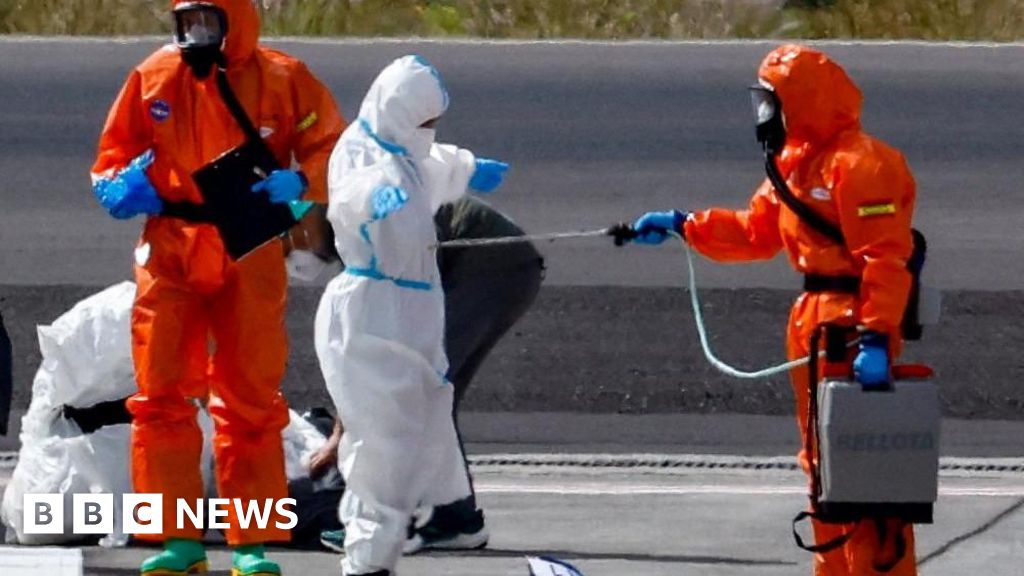
Passengers from the cruise ship struck by a hantavirus outbreak are being evacuated and sent to their home countries to isolate and receive medical treatment if necessary. Some other passengers from MV Hondius left on earlier flights or connections and their contacts are now being traced as a precaution. Officials say the risk of the infection spreading to the general public remains low.
Three died either on board or after travelling on the ship, which set sail from Argentina a month ago. Four others were medically evacuated from the ship for treatment. In an update on Thursday, Dr Maria Van Kerkhove from the World Health Organization (WHO) stressed it was not the start of a pandemic, saying: “This is not Covid, this is not influenza, it spreads very, very differently.”
In a latest update, it says nine cases – seven confirmed by tests – have been identified in people who were on the ship. It is still not clear how the outbreak started. Hantavirus typically spreads from rodents, with people infected by breathing in air contaminated with virus particles from rodent urine, droppings, or saliva. The cruise had been visiting remote wildlife areas, so a passenger could have come into contact with the virus then, or before boarding the ship.
Passengers returning from the cruise ship will be asked to self-isolate as a precaution. Fourteen Spanish nationals face mandatory quarantine at a military hospital in the Spanish capital. Twenty Britons are isolating at Arrowe Park Hospital in Merseyside, after their chartered flight from Tenerife landed at Manchester Airport on Sunday. They will stay there for 72 hours, before being asked to self-isolate for a further 42 days at home. Prof May said all of the British evacuees were “healthy and asymptomatic”.
Symptoms usually appear between two to four weeks after being exposed to the virus, but can occur more than a month later, which is why the recommended isolation period for the passengers is so long. People or “contacts” who may have been exposed to the infection – including on the boat, in hospital or on any of the flights that passengers took – will be monitored. Contact-tracing work that is under way has been “quite a mammoth effort”, Prof Robin May, chief scientific officer at the UKHSA has told the BBC, and one “we will continue to do… for some time”.
Symptoms of hantavirus can resemble those of the flu – a fever, fatigue, muscle aches. They may also get shortness of breath, stomach pain, nausea and vomiting or diarrhoea. Tests exist to diagnose the infection but there is no specific treatment, although early medical support in hospital can improve survival. Treatment is for the symptoms displayed.