












Arabic version: باكستان تنفي مزاعم إيواء الطائرات العسكرية في أزمة وقف إطلاق النار
Pakistan has firmly rejected accusations that it sheltered Iranian military aircraft from potential U.S. strikes, as the fragile ceasefire it helped broker between Washington and Tehran faces increasing peril. The Ministry of Foreign Affairs issued a statement on Tuesday, responding to U.S. President Donald Trump’s remarks that the month-old truce was on “massive life support” and dismissing Iran’s latest peace proposal as “a piece of garbage” that he had not even finished reading. According to Al Jazeera, Trump’s comments followed a CBS News report alleging that Iran had relocated several military aircraft, including an RC-130 reconnaissance plane, to Pakistan Air Force Base Nur Khan in Rawalpindi after the ceasefire on April 8.
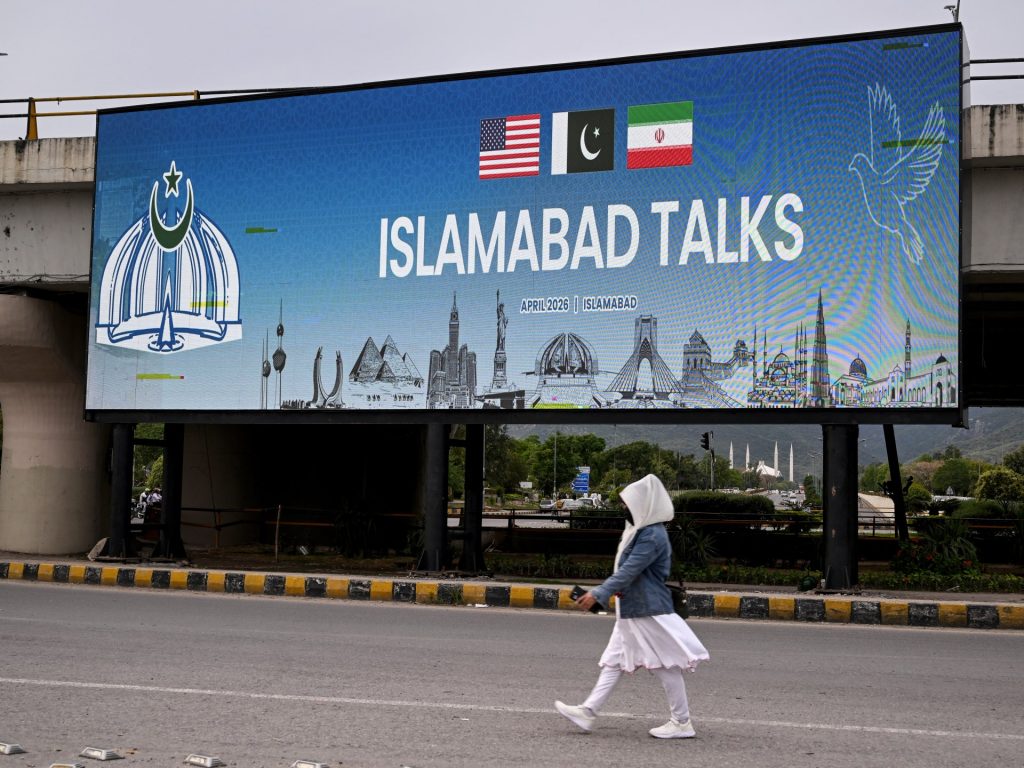
In its denial, Pakistan’s Foreign Ministry described the CBS report as “misleading and sensationalised,” clarifying that the Iranian aircraft present at the base arrived as part of diplomatic logistics related to talks held in Islamabad between senior U.S. and Iranian officials on April 11. The ministry emphasized that both Iranian and U.S. aircraft have used the base, stating that any significant foreign military presence would be impossible to conceal.
Despite Pakistan’s denials, concerns in Washington persist. Hopes for a peace deal and the continuation of the ceasefire have declined significantly since Trump’s comments. A CNN report suggested that some Trump administration officials believe Pakistan has been presenting a more favorable view of Iran’s position to the U.S. than is accurate, raising questions about Islamabad’s impartiality in the mediation process.
A Pakistani official, speaking anonymously, defended Islamabad’s role, asserting that mediation requires impartiality and that the goal is to resolve the complex conflict rather than to gain political favor. Analysts believe that while the controversy may cause some unease, it is unlikely to significantly undermine Pakistan’s position as a mediator, given that both Tehran and Washington continue to rely on its facilitation efforts.
The immediate trigger for the recent tensions was the U.S. rejection of an Iranian peace proposal delivered through Pakistan. Iran’s terms included demands for U.S. war reparations, full sovereignty over the Strait of Hormuz, an end to sanctions, and the release of frozen assets. Trump labeled the proposal as “TOTALLY UNACCEPTABLE,” while Iranian officials characterized it as reasonable. The core disagreements between the two nations remain unchanged, with Washington insisting on Iran abandoning its nuclear program and Tehran demanding sanctions relief first.