













Arabic version: حاكم جمهورية الكونغو الديمقراطية يدعو إلى اتخاذ إجراءات عاجلة لمكافحة تفشي الإيبولا
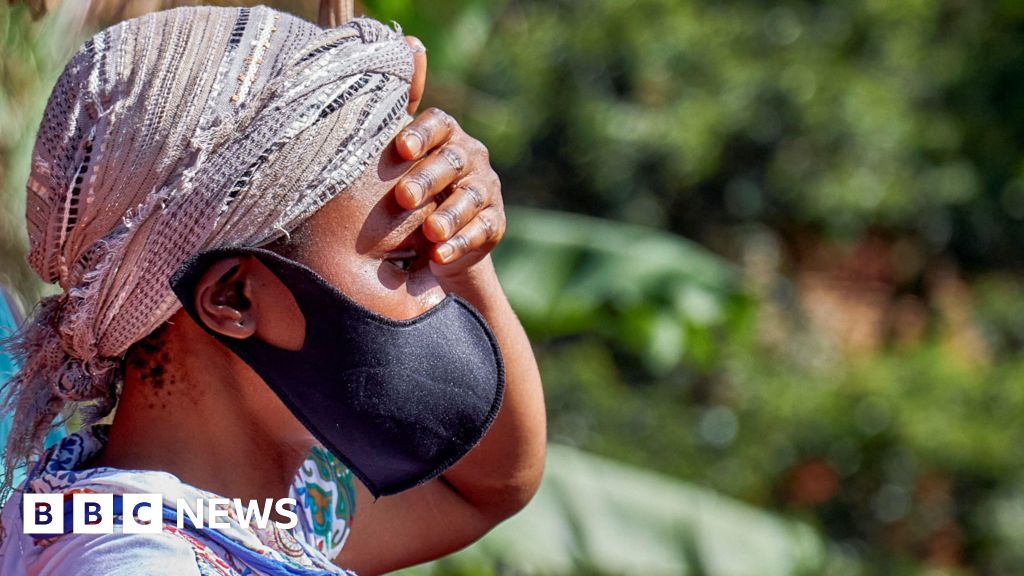
The military governor of the Democratic Republic of Congo’s Ituri province, the epicentre of the current Ebola outbreak, has emphasized the need for an immediate and robust response to the ongoing Ebola outbreak, which he likened to a “war” that lacks sufficient resources. According to BBC News, Governor Johnny Luboya Nkashama expressed concern over inadequate food supplies and the prevalence of other diseases in affected areas, calling for urgent improvements in healthcare capacity.
Since the outbreak was declared on May 15, officials have reported over 900 suspected cases of Ebola and 223 suspected fatalities. The World Health Organization (WHO) has recognized the situation as a public health emergency, noting that the disease may be spreading more rapidly than previously anticipated. WHO director-general Tedros Adhanom Ghebreyesus stated that responders are currently “playing catch-up” in their efforts to control the outbreak.
The outbreak has also extended to North and South Kivu provinces in DR Congo and neighboring Uganda, where seven confirmed cases have been identified. Governor Nkashama called for the deployment of qualified personnel and the establishment of secure treatment centers to address the crisis effectively. He highlighted the urgency of mobilizing financial resources, warning that delays could lead to disaster.
On Saturday, the head of the Africa Centres for Disease Control and Prevention (Africa CDC) met with health ministers from DR Congo, Uganda, and South Sudan to enhance cross-border coordination in response to the outbreak. Africa CDC director-general Dr. Jean Kaseya announced a budget of $319 million to combat the spread of the virus, with South African President Cyril Ramaphosa pledging an initial $5 million to support the initiative.
This current outbreak is the 17th recorded in DR Congo since Ebola was first discovered in 1976, and it marks only the third global instance of the Bundibugyo species of Ebola, which has not been seen in over a decade. No effective vaccines or medications for this particular strain are currently available, though vaccines are in development, with the WHO estimating a potential nine-month timeline for readiness.