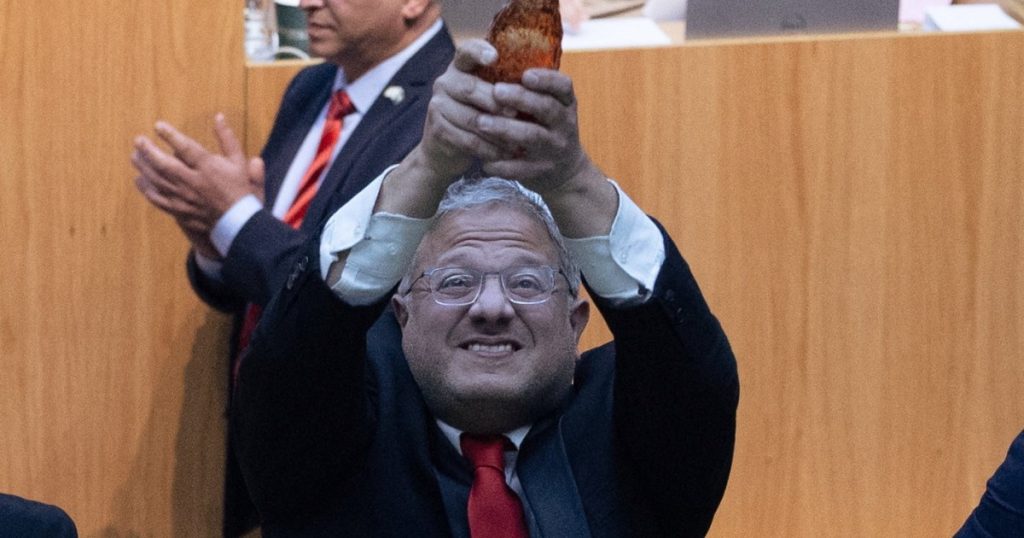













Arabic version: أفعال إيتامار بن غفير تثير صرخات عالمية حول صورة إسرائيل
Itamar Ben-Gvir, Israel’s far-right National Security Minister, has recently drawn international attention for his controversial actions and statements. Following the passage of a law making the death penalty a default sentence for Palestinians convicted in military courts on March 30, 2026, Ben-Gvir has showcased a version of Israel that many might prefer to overlook. According to Al Jazeera, his public behavior, including dismissing a potential U.S. ceasefire deal with Iran and harassing activists, has sparked outrage globally.
Ben-Gvir’s actions have prompted backlash not only from foreign governments but also from within Israel. Prime Minister Benjamin Netanyahu expressed concern that Ben-Gvir’s behavior was damaging Israel’s public relations, stating it was “not in line with Israel’s values and norms.” Additionally, Foreign Minister Gideon Sa’ar criticized Ben-Gvir, claiming he was harming the state’s reputation and insisted that he does not represent Israel.
Despite attempts to distance him from the government, many Israeli media outlets and politicians recognize that Ben-Gvir embodies a growing segment of Israeli society. Knesset member Aida Touma-Sliman remarked that Ben-Gvir’s actions are supported by other politicians and civil servants who share his extremist beliefs. This complicity raises questions about the broader implications for Israeli governance and society.
Ben-Gvir’s political history is marked by extremism, having been involved in numerous incidents that highlight his radical views since his youth. His past includes convictions for incitement to racism and supporting a terrorist organization, which he has leveraged to build a political career that aligns with far-right ideologies. As he continues to exert influence over police and prison forces, concerns about the politicization of these institutions and their treatment of Palestinians grow.
In recent years, Ben-Gvir has worked closely with Bezalel Smotrich, leader of the Religious Zionist Party, further solidifying their presence within Netanyahu’s coalition. Analysts suggest that their partnership has allowed for a more visible representation of extremist views within the Israeli government, raising alarms about the future of Israeli democracy and human rights in the region.