













Arabic version: القرى اللبنانية تواجه أزمة نفسية بعد الدمار الإسرائيلي
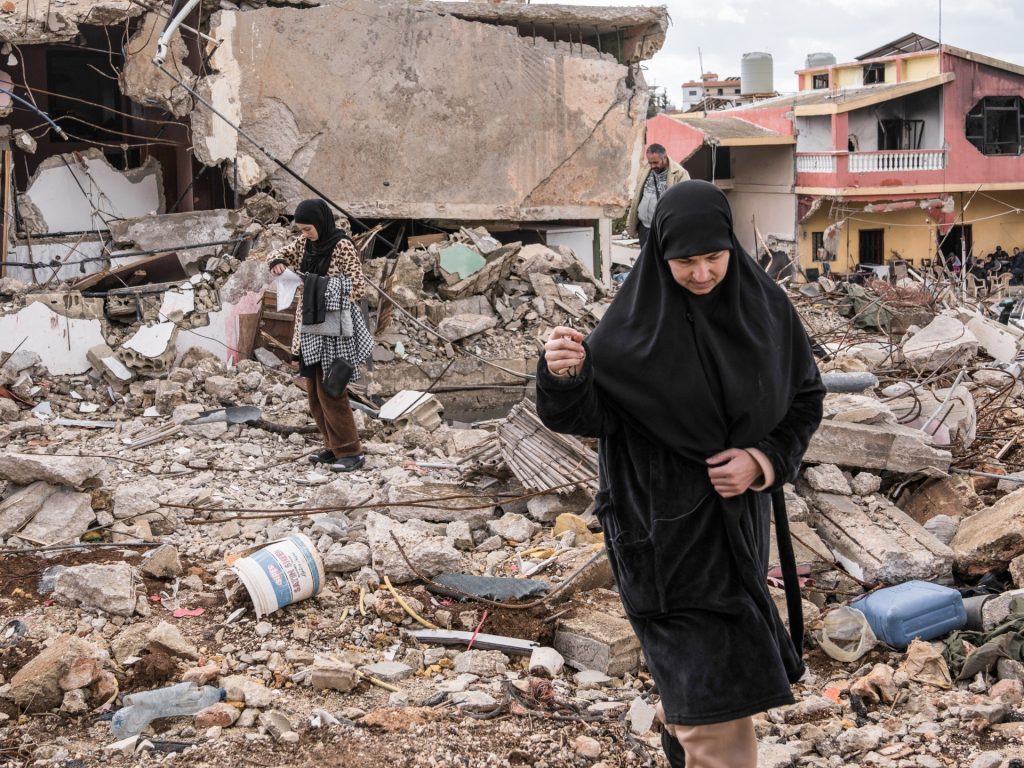
The psychological impact of Israel’s military actions on Lebanese villages is becoming increasingly apparent. In February 2025, Ali, a resident of Naqoura, stood outside his damaged home, lamenting the destruction left by the Israeli military. After a recent ceasefire, the town was left in ruins, with homes detonated and community landmarks erased. According to Al Jazeera, Ali’s situation reflects a broader crisis affecting thousands who have lost their homes and sense of belonging.
In March 2026, Israel intensified its military operations in southern Lebanon, leading to significant casualties and displacement. Reports indicate that over 4,257 people have died, with more than 12,000 injured. The destruction has been described as extensive, with a UNDP assessment revealing that 11,095 buildings were completely destroyed. As a result, many residents are unable to return to their homes, compounding the psychological toll on those displaced.
Experts highlight that losing one’s home is not just a material loss but a profound emotional and psychological trauma. Basma Alloush from the International Rescue Committee explained that the demolition of familiar places erases not only homes but also the memories and identities tied to them. This sentiment resonates with many who are experiencing grief and disorientation as they confront the stark reality of their lost communities.
The situation is exacerbated by Lebanon’s pre-existing mental health crisis, which has been worsened by years of political unrest, economic turmoil, and previous conflicts. The recent war has left many, including children, struggling with anxiety, depression, and post-traumatic stress. Mental health specialists emphasize the importance of rebuilding not just physical structures, but also the community’s spirit and identity.
As the Israeli occupation continues in southern Lebanon, the future for displaced residents remains uncertain. Experts like Dr. Joseph El-Khoury stress the need for immediate rebuilding efforts to restore a sense of safety and identity. Without a comprehensive approach to recovery, the psychological scars of this conflict may linger for generations.