












Arabic version: انخفاض أسعار النفط إلى مستويات ما قبل الحرب
Oil prices have decreased to levels not seen since the start of the US-Israel war on Iran, reflecting rising hopes for a breakthrough in negotiations aimed at establishing a permanent peace deal. Brent crude fell more than 1 percent on Thursday, dropping below $71 a barrel, which returns the international benchmark to pre-war prices. According to Al Jazeera, Brent futures for August delivery stood at $70.82 per barrel as of 04:30 GMT, marking the lowest point since February 27.
The decline in prices follows a significant drop of over 38 percent from the post-war peak of more than $126 a barrel recorded on April 30. This slide has been attributed to positive developments in indirect talks between US and Iranian officials, with Qatar acting as a key mediator. US President Donald Trump has expressed optimism about the negotiations, stating that the “denuclearisation of Iran is moving along well.”
Vandana Hari, founder of the oil market analysis firm Vanda Insights, noted that a steady increase in oil flows from the Gulf and a cautiously optimistic geopolitical sentiment have contributed to the lower prices. Despite several unresolved issues in the memorandum of understanding (MoU) between the US and Iran, both sides seem to have stepped back from confrontation regarding the interim Hormuz transit regime.
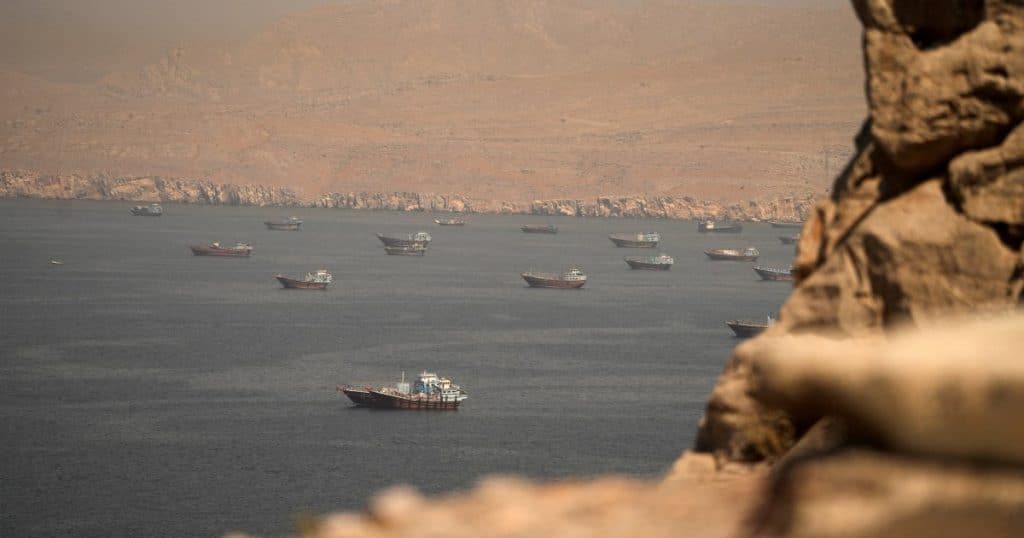
Shipping in the Strait of Hormuz, which is critical for global oil and gas trade, has shown early signs of recovery after a significant decline due to attacks on commercial vessels. At least 40 vessels transited the strait on Tuesday, up from 27 on Monday and 22 on Sunday, although traffic remains well below the pre-war average of approximately 130 daily crossings. Iran has agreed to facilitate safe passage for vessels under the MoU, yet it continues to assert its right to control movement through the strait, amidst ongoing security concerns.