













Arabic version: المشترون يحصلون على قوة تفاوضية مع تباطؤ سوق عقارات بريسبان
Buyers are increasingly able to negotiate as Brisbane’s property market shows signs of slowing, with softer bidding and longer selling times reported across the city.
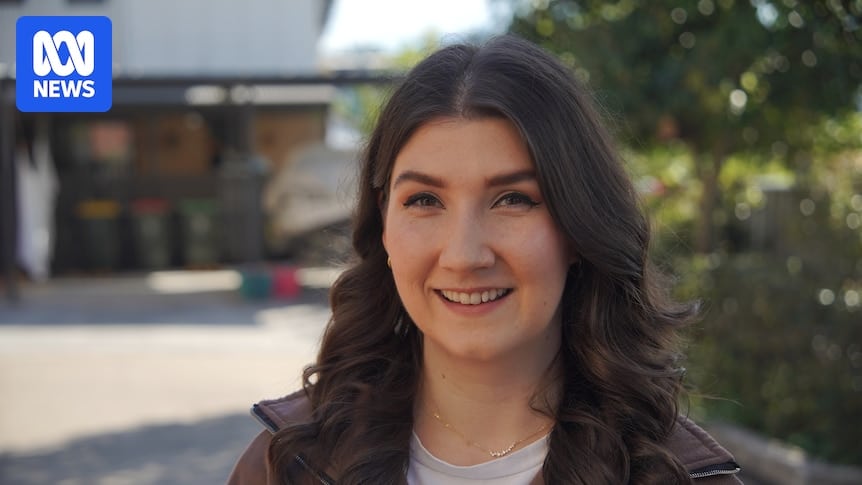
According to ABC News, June saw the biggest monthly drop in home values in more than three years nationally, with Sydney and Melbourne leading declines and growth in Brisbane easing after a prolonged run. Nicole Pengilly, who had previously struggled to secure a home in Brisbane, bought a two‑bedroom unit on the city’s south side within two months of a federal budget that changed negative gearing and capital gains tax discounts; she reported noticeably less competition at inspections.
Listings and auction activity reflect the shift. Cotality data show the number of properties listed in Brisbane over the past four weeks was almost 25 per cent higher than the same time last year, including 3,696 new listings (a 0.8 per cent rise on the year). Brisbane’s auction clearance rate was 43 per cent last week, up from 23.5 per cent the prior week but about 20 percentage points lower than the nearly 63 per cent clearance rate at this time last year. Cotality Research Director Tim Lawless said buyers “have much less urgency in their decision‑making” and can negotiate, adding “most buyers are now back in the driver’s seat.”
The change matters because federal tax changes and rising interest rates are altering who participates in the market and how quickly properties change hands. The budget’s limits on negative gearing and likely higher capital gains tax for investors have reduced investor participation in some areas, with an Ipswich agent saying investor numbers have fallen and sellers increasingly avoiding auctions. In regional Queensland, some areas such as the Darling Downs and Toowoomba have shown resilience, while other coastal and southeast markets have lost momentum.
What happens next: industry groups and agents are watching upcoming quarterly data for a clearer picture of the budget’s impact, and Tim Lawless expects housing values will either drift lower or hold steady at least until interest rates start to come down again. The market may therefore remain in a holding pattern while buyers and sellers adjust to the new tax rules and slower price momentum.
Related sections: Australia/استراليا | Queensland | General | Economy/اقتصاد | Social/إجتماعية